Marco-Hugo Landeta Vacas
Written on 3/2/2026
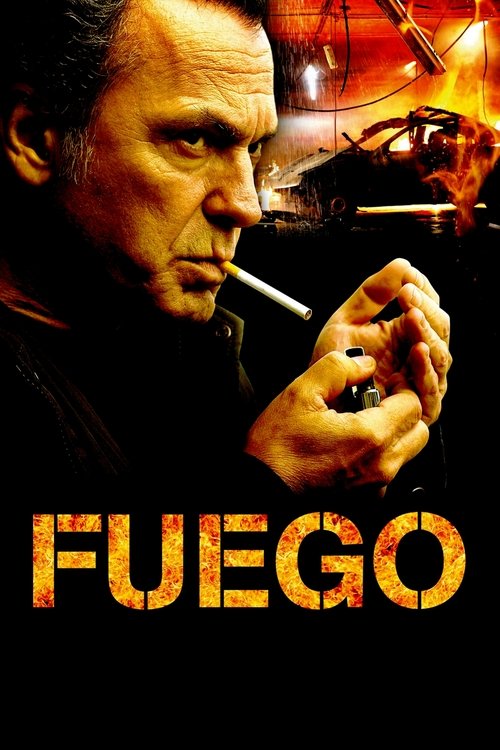
(CASTELLANO) Hay películas que nacen con una dificultad añadida: tocar heridas que todavía no están del todo cerradas. Fuego parte de ese terreno delicado y se mueve entre la reflexión sobre el dolor y el impulso casi primario de la venganza. No es una obra redonda, pero sí es una propuesta incómoda e interesante.
La película utiliza algunos recursos claramente subrayados, incluso sensibleros en ciertos momentos. Hay escenas donde la música y el dramatismo parecen querer guiar demasiado al espectador. También es verdad que el guion opta por posiciones muy claras, casi binarias, lo que reduce la complejidad moral que el tema pedía. Aun así, el conflicto central —el choque entre el odio que quema y la posibilidad de redención— tiene fuerza.
José Coronado interpreta a un hombre roto que vive consumido por un fuego interno que no sabe apagar. Es un papel que le encaja, aunque en esta ocasión su contención puede resultar algo plana para quien espere más matices. Frente a él, Leyre Berrocal aporta una sensibilidad que equilibra el relato. Su personaje es, en muchos sentidos, el verdadero corazón de la historia: representa el intento de salir del círculo de violencia cuando todo alrededor empuja a permanecer en él.
El problema principal está en el ritmo y en la construcción narrativa. La parte central se alarga más de lo necesario y el desenlace llega con cierta brusquedad. El giro final, aunque potente en intención, puede parecer precipitado. Da la sensación de que la película quiere ser thriller psicológico y drama íntimo a la vez, pero no siempre logra que ambas cosas convivan con naturalidad.
Visualmente tiene momentos acertados, y el entorno —con especial protagonismo del paisaje vasco— aporta una atmósfera muy adecuada. Pero más allá de sus desajustes técnicos o narrativos, lo que queda es la pregunta que lanza sin rodeos: ¿apaga algo el odio o solo lo multiplica?
No es una gran película, pero tampoco el desastre que algunos pintan. Es irregular, sí, pero plantea un dilema humano reconocible y cercano. Y solo por esa reflexión sobre la imposibilidad de curar una herida extendiendo el daño a otros, merece ser vista.
(ENGLISH) Some films carry an extra weight from the start: they dare to step into wounds that haven’t fully healed. Fuego operates in that fragile territory, moving between reflection on grief and the almost primal urge for revenge. It’s not a flawless film, but it is an uncomfortable and compelling attempt.
At times, the movie leans into overt emotional cues. Certain scenes feel overly underscored, almost sentimental, with music and staging guiding the audience a bit too insistently. The script also tends to frame its moral positions in fairly clear-cut terms, reducing the ambiguity such a subject might demand. Still, the central conflict —the clash between consuming hatred and the possibility of redemption— carries real dramatic weight.
José Coronado plays a man hollowed out by trauma, living with a fire inside that refuses to fade. It’s a role that fits him well, though his restrained performance may come across as somewhat one-note for viewers expecting deeper emotional shifts. Opposite him, Leyre Berrocal brings a quiet sensitivity that grounds the film. In many ways, her character becomes the emotional anchor, embodying the desire to escape violence rather than perpetuate it.
The main weakness lies in pacing and narrative construction. The middle section stretches longer than necessary, and the final act arrives somewhat abruptly. The closing turn, though powerful in intention, feels rushed. The film seems torn between being a psychological thriller and an intimate human drama, and it doesn’t always balance those two ambitions smoothly.
Visually, it has striking moments, and the Basque coastal setting adds an evocative atmosphere. Beyond its structural flaws, what lingers is the question it bluntly asks: does revenge extinguish the fire, or does it only spread it further?
Not a great film, but far from the disaster some claim. Uneven, yes, but built around a recognisable human dilemma that still resonates.