Marco-Hugo Landeta Vacas
Written on 11/2/2025
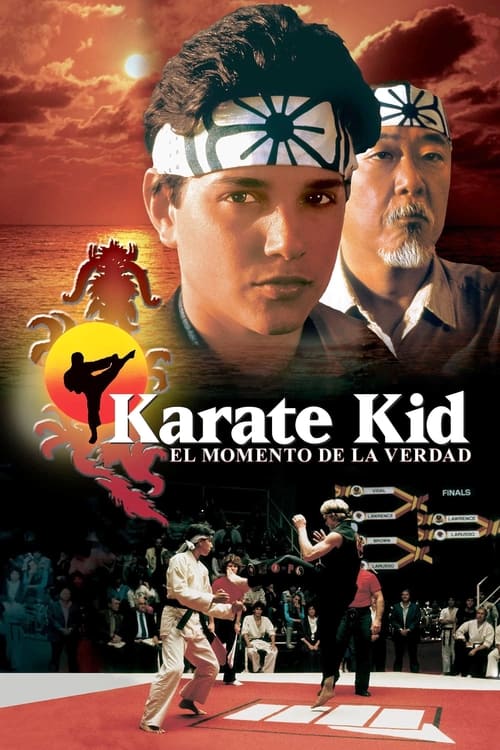
(CASTELLANO) Hay películas que vuelves a ver y te recolocan la sonrisa. The Karate Kid es una de esas: sencilla, directa y con una nobleza que hoy escasea. No necesita pirotecnia para atraparte; le basta con un adolescente fuera de sitio, un mentor improbable y una meta clara: aprender a levantarse mejor de lo que se cae.
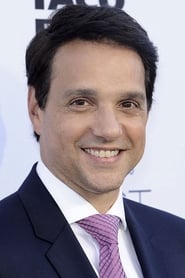
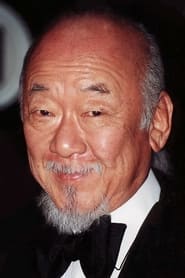
Ralph Macchio construye un Daniel LaRusso muy terrenal: inseguro, cabezota, con humor torpe y ganas de encajar. Su evolución funciona porque nunca parece un “elegido”, sino un chaval que encuentra disciplina y propósito. Y entonces aparece Pat Morita y lo convierte todo en otra cosa: el señor Miyagi es paciencia, ironía y dolor contenido. Cada “dar cera, pulir cera” es más que un chiste; es una metodología emocional.
La puesta en escena de John G. Avildsen es clásica y efectiva: ritmo limpio, montaje que acompasa el aprendizaje y un clímax que te levanta de la silla por puro pulso narrativo. Sí, la película es predecible y a ratos dulzona, pero su sinceridad desactiva cualquier cinismo. La música te empuja, los entrenamientos te ganan y el torneo remata con una catarsis impecable.
Me gusta también cómo el film habla de pertenencia: mudanza, bullying, orgullo herido y el hallazgo de una familia elegida. El villano no es sólo el matón de instituto, sino una idea tóxica de la masculinidad que el karate de Cobra Kai convierte en violencia. Miyagi propone lo contrario: equilibrio, respeto y autocontrol.
¿Ha envejecido? En formas, un poco; en fondo, nada. Sigue siendo un cuento de iniciación que enseña sin sermonear y emociona sin trucos baratos. Te recuerda que el esfuerzo diario es más épico que cualquier golpe final.
No es perfecta, pero es honesta, cálida y muy disfrutable. Para mí, sigue mereciendo su sitio en el podio de los ochenta.
(ENGLISH) There are films that make you smile again the moment you revisit them. The Karate Kid is one of those — simple, straightforward, and filled with a kind of honesty that feels rare today. It doesn’t need spectacle to hook you; all it takes is a misplaced teenager, an unlikely mentor, and a clear goal: to learn how to stand up better than you fall.
Ralph Macchio gives us a very grounded Daniel LaRusso — insecure, stubborn, awkwardly funny, and eager to belong. His growth works because he never feels like a “chosen one,” just a kid who finds discipline and purpose. Then comes Pat Morita, and suddenly the film becomes something else entirely. Mr. Miyagi embodies patience, irony, and quiet pain. Every “wax on, wax off” moment is more than a catchphrase; it’s emotional training disguised as repetition.
John G. Avildsen’s direction is clean and confident — a classic rhythm, an editing style that mirrors learning itself, and a finale that still gives you goosebumps. Sure, the movie is predictable and at times sentimental, but its sincerity disarms any cynicism. The music lifts you, the training wins you over, and the tournament delivers pure narrative payoff.
I also love how it speaks about belonging: moving to a new place, facing bullies, healing wounded pride, and finding a chosen family. The villain isn’t just a school bully — he’s the embodiment of toxic masculinity, something Cobra Kai turns into aggression. Miyagi stands for the opposite: balance, respect, and self-control.
Has it aged? A little in form, not at all in spirit. It remains a timeless coming-of-age story that teaches without preaching and moves without tricks. It reminds you that daily effort is far more heroic than any final kick.
Not perfect, but honest, warm, and deeply enjoyable. For me, it still earns its place among the classics of the ’80s.