Marco-Hugo Landeta Vacas
Written on 6/24/2026
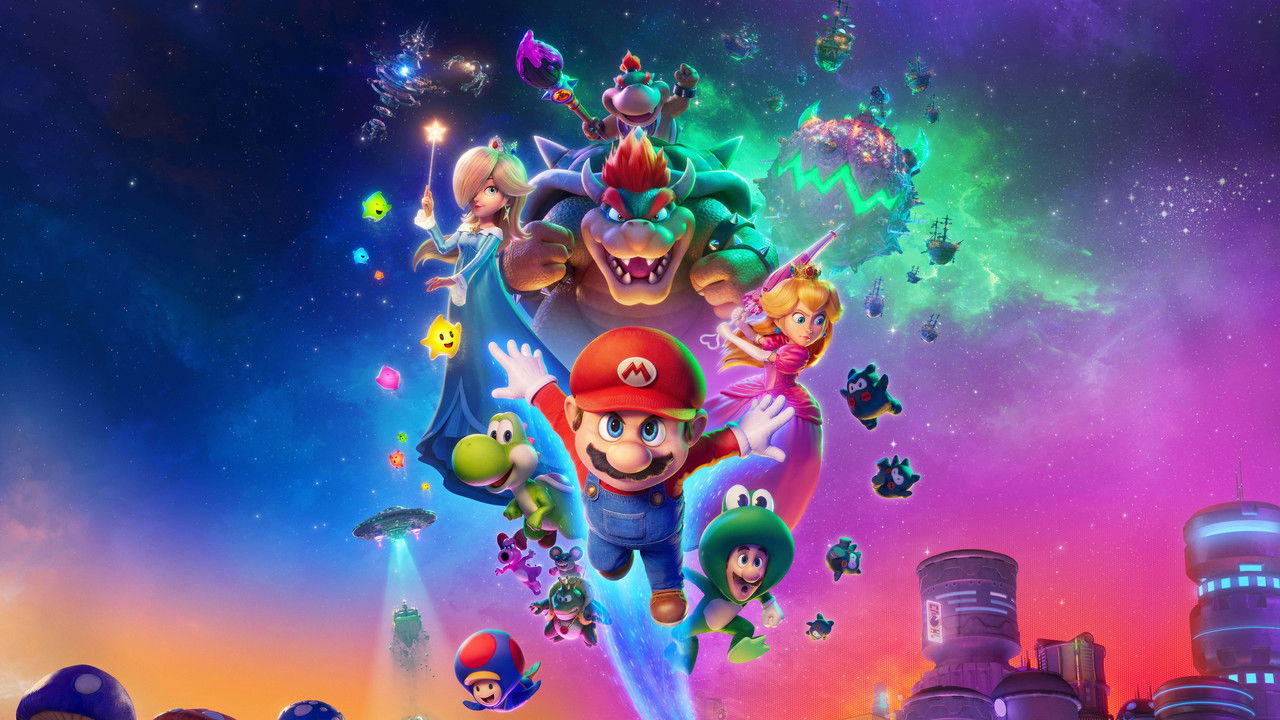
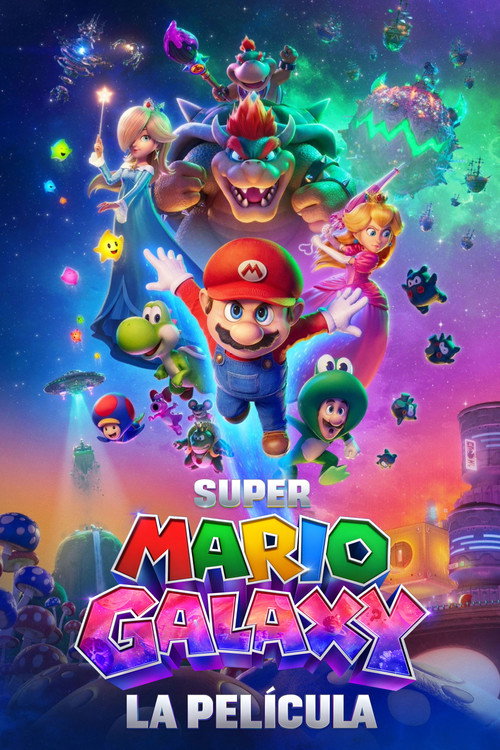
(CASTELLANO) Super Mario Galaxy: La película sigue exactamente el camino de la primera entrega: mucho color, mucho ritmo, muchas referencias, muchos personajes reconocibles y una historia muy sencilla pensada para que nadie se pierda. Si la anterior ya parecía más un parque temático de Nintendo que una película con verdadera profundidad, esta segunda parte refuerza todavía más esa sensación. Es más grande, más galáctica y más cargada de estímulos, pero no necesariamente mejor.
La película está claramente pensada para niños y fans. Y en ese terreno funciona hasta cierto punto. Hay mundos vistosos, acción constante, humor fácil, personajes queridos y esa sensación de estar pasando de una pantalla a otra. Quien busque una aventura familiar ligera, con Mario, Luigi, Peach, Bowser y compañía moviéndose por escenarios espaciales, probablemente encuentre justo lo que esperaba. No engaña demasiado.
El problema es que poco más se puede decir. La película vuelve a confundir muchas veces movimiento con emoción. Todo va deprisa, todo brilla, todo salta, todo corre, todo explota en colores, pero la historia sigue siendo mínima. Los personajes apenas tienen espacio para crecer, las escenas parecen una lista de momentos reconocibles y el guion funciona más como excusa para unir referencias que como relato con verdadero peso.
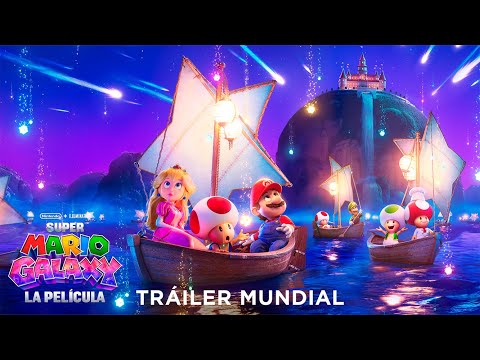
Visualmente es agradable, incluso espectacular en algunos momentos. Illumination sabe crear imágenes limpias, coloridas y fáciles de consumir, y el material de Mario Galaxy permite jugar con planetas, gravedad, espacios imposibles y criaturas nuevas. Ahí hay potencial. Pero también queda la sensación de que una idea visual tan potente podía haber dado una película más imaginativa, más sorprendente y menos automática.
Bowser sigue siendo de lo mejor, aunque ya no sorprende tanto. Jack Black mantiene esa mezcla de villano exagerado y personaje cómico que funcionaba en la primera, pero la película depende demasiado de fórmulas ya probadas. Todo parece diseñado para gustar, para no molestar, para colocar guiños y para preparar más universo Nintendo. Eso puede ser eficaz, pero también bastante plano.
A favor tiene que se deja ver. No se hace eterna, mantiene energía y puede entretener a los más pequeños sin demasiados problemas. Pero como secuela resulta un poco pobre. No da un salto real respecto a la anterior; simplemente cambia el decorado, sube el volumen y multiplica los estímulos. Para una saga con tanta imaginación en los videojuegos, el cine sigue quedándose en lo más seguro.
Super Mario Galaxy: La película no es un desastre, pero sí una secuela bastante limitada. Es colorida, rápida y simpática a ratos, pero también vacía, repetitiva y demasiado dependiente del reconocimiento inmediato. Para niños, vale. Para fans, puede tener gracia. Para quien espere una película de animación con verdadera historia, emoción o inventiva, se queda corta. Otro nivel superado, sí, pero sin llegar a la estrella final.
(ENGLISH) The Super Mario Galaxy Movie follows exactly the same path as the first film: lots of color, lots of pace, lots of references, many recognizable characters and a very simple story designed so that nobody gets lost. If the previous film already felt more like a Nintendo theme park than a movie with real depth, this sequel reinforces that feeling even more. It is bigger, more galactic and more packed with visual energy, but not necessarily better.
The film is clearly made for children and fans. And on that level, it works to a point. There are bright worlds, constant action, easy humor, beloved characters and the feeling of moving from one level to another. Anyone looking for a light family adventure with Mario, Luigi, Peach, Bowser and company moving through space settings will probably find exactly what they expected. It does not hide what it is.
The problem is that there is not much more to say. The film often confuses movement with emotion. Everything moves fast, everything shines, everything jumps, everything runs, everything bursts into color, but the story remains minimal. The characters barely have room to grow, the scenes feel like a list of recognizable moments and the script works more as a way to connect references than as a story with real weight.
Visually, it is pleasant, even impressive in some moments. Illumination knows how to create clean, colorful and easy-to-watch images, and the Mario Galaxy material allows for planets, gravity, impossible spaces and new creatures. There is potential there. But there is also the feeling that such a strong visual idea could have led to a more imaginative, more surprising and less automatic film.
Bowser remains one of the best parts, although he is no longer as surprising. Jack Black keeps that mix of exaggerated villain and comic character that worked in the first movie, but the film depends too much on formulas that have already been tested. Everything seems designed to please, to avoid risk, to place references and to prepare more Nintendo universe. That can be effective, but also rather flat.
On the positive side, it is watchable. It does not feel endless, it keeps its energy and it can entertain younger viewers without much trouble. But as a sequel, it feels a little poor. It does not make a real jump from the previous film; it simply changes the setting, raises the volume and multiplies the stimulation. For a saga with so much imagination in the games, the cinema version still stays in the safest lane.
The Super Mario Galaxy Movie is not a disaster, but it is a fairly limited sequel. It is colorful, fast and occasionally charming, but also empty, repetitive and too dependent on immediate recognition. For children, it works. For fans, it may be fun. For anyone expecting an animated film with real story, emotion or invention, it falls short. Another level cleared, yes, but not quite the final star.