
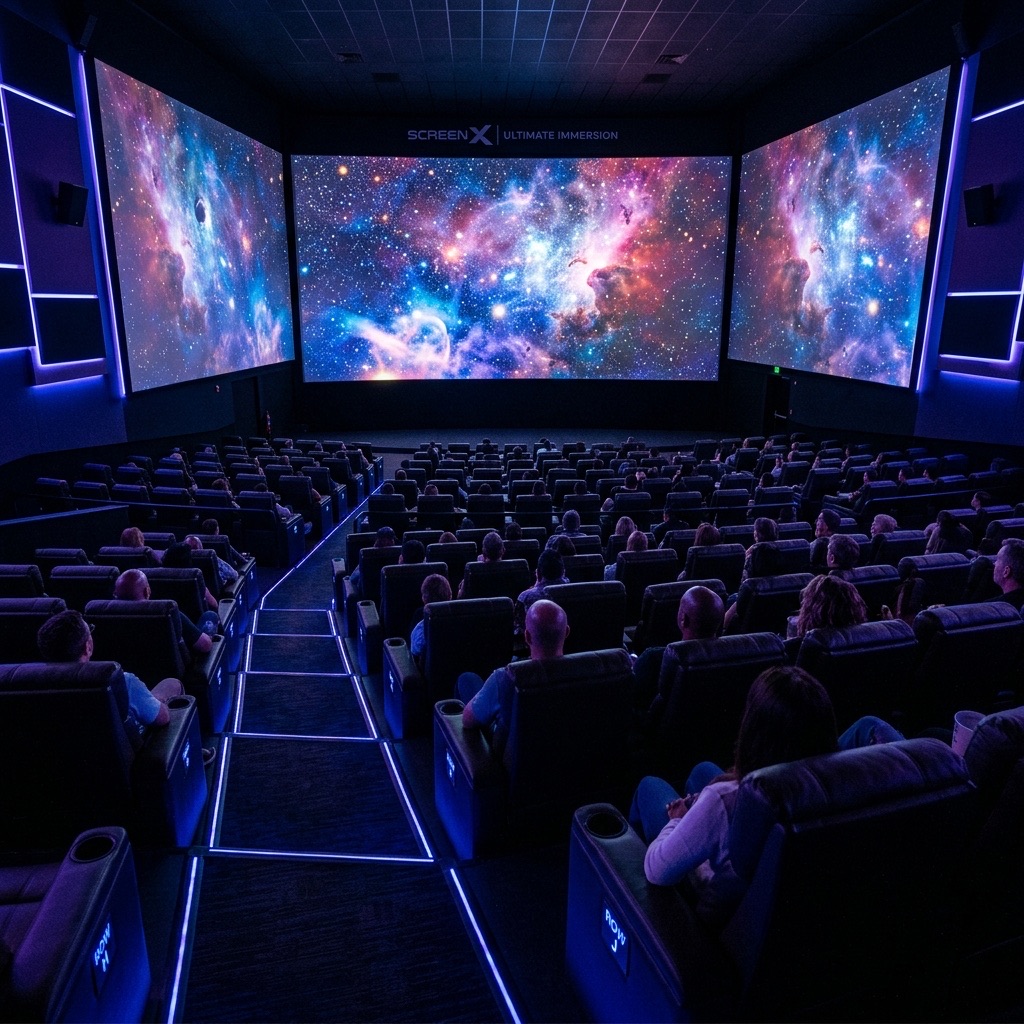
IMAX made screens bigger. 4DX made your seat shake. ScreenX made the entire room the screen. The South Korean-developed 270° cinema format is unlike anything else in commercial cinema — and it raises an obvious question: is it better than IMAX, or just different?
This guide breaks down everything you need to know about ScreenX, how it compares to IMAX, and — critically — where to sit to get the most from either experience.
What Exactly Is ScreenX?
ScreenX is a multi-projection format created by CJ CGV (South Korea's largest cinema chain) in 2012. Rather than simply enlarging the main screen, it:
- Projects the standard 16:9 or 1.85:1 image on the main front screen
- Extends select sequences laterally onto two side walls running the length of the auditorium
- The combined field of view covers approximately 270° of your horizontal vision
The side-wall projections are generated either from native ScreenX camera captures (additional cameras on a dedicated rig that face left and right during filming) or from CGI extension of the existing image (used retroactively for films not shot with ScreenX rigs). Native capture delivers a genuinely immersive expanded view; CGI extension is typically more obvious and less convincing.
ScreenX vs IMAX: The Full Comparison
| Feature | ScreenX | IMAX Laser |
|---|---|---|
| Main screen size | Standard PLF size (40–60 ft wide) | 60–101 ft wide (floor-to-ceiling) |
| Total visual coverage | ~270° horizontal | ~160° horizontal, larger vertical |
| Side wall resolution | Lower than main screen (approx. 2K) | N/A (single screen) |
| Main screen resolution | Standard 2K–4K | True 4K laser (12,000 lumens+) |
| Aspect ratio | 2.39:1 standard (side walls separate) | 1.43:1 or 1.90:1 native IMAX |
| Audio system | Varies by venue (typically Dolby Atmos) | IMAX 12-channel custom audio |
| Content availability | Select films with ScreenX sequences | Wide release with IMAX-enhanced audio |
| Ticket premium | +£3–6 / +$4–8 | +£5–10 / +$8–15 |
| Global screens | ~400 screens | ~1,700 screens |
| Best for | Action, spectacle, sci-fi | Everything (especially IMAX-shot films) |
The Visual Experience
Main Screen Quality
Here's the key thing most reviews gloss over: ScreenX's main screen is not IMAX. The front projection in a ScreenX theatre is typically a standard PLF (Premium Large Format) setup — a good, large screen, but not approaching the resolution, brightness, or contrast of a true IMAX Laser installation. When the side walls aren't active (which is a significant portion of most ScreenX films), you're watching a high-quality standard cinema, not an IMAX cinema.
Side Wall Projections
The side walls vary significantly in quality based on the content:
Native ScreenX footage (filmed with dedicated ScreenX rigs): This is genuinely impressive. The side cameras capture real footage from different angles simultaneously, meaning that when an aerial sequence expands onto the walls, you see the actual sky and landscape from those angles. The sense of peripheral immersion is authentic and unique.
CGI-extended footage: This is more of a mixed experience. The main image is algorithmically stretched and filled to cover the side walls, sometimes with additional CG environment added. For some sequences this works — wide landscape shots, space environments — but for action-heavy sequences with fast cuts and camera movement, the CGI extension can look artificial or even slightly nauseating.
Best Seats for ScreenX
Unlike most cinema formats where centre seats are optimal for reasons of symmetry and audio, ScreenX has an additional critical variable: the side walls.
The Optimal Zone
The best ScreenX seats are in a specific "sweet zone" of the auditorium:
- Row depth: 40–55% back from the screen (different from standard cinema! You want slightly forward to maximise the immersive effect of the side walls)
- Column: Strictly centre — offset even two or three seats and one side wall will appear noticeably larger in your field of view than the other
- Side-wall angle: Your ideal position is where the angle to the nearest side wall is 60–70° from straight ahead
| Row Zone | ScreenX Experience | Notes |
|---|---|---|
| First 20% (front) | Overwhelming — side walls feel towering | Main screen also too close; avoid |
| 20–40% back | Very immersive, slightly intense | Good for action fans wanting maximum effect |
| 40–55% back (optimal) | Balanced immersion — side walls feel natural | Best zone for most viewers |
| 55–70% back | Side walls feel more peripheral, less dominant | Still good, more relaxed experience |
| Back 30% | Side walls distant, effect reduced | Standard cinema experience; little ScreenX benefit |
Why Centre Seats Are Non-Negotiable for ScreenX
In standard IMAX or Dolby Cinema, sitting a few seats off-centre reduces the experience but doesn't destroy it. In ScreenX, an off-centre seat fundamentally breaks the immersion. The 270° format is calibrated from the centre point — if you're seated off-axis, the left wall will occupy more of your field of vision than the right (or vice versa), creating an asymmetric experience that becomes uncomfortable during extended ScreenX sequences.
Always book the centre seat(s) in your target row for ScreenX.
Which Films Work Best in ScreenX?
Excellent in ScreenX
- Space and sci-fi epics — the side-wall star fields and planet vistas create genuine awe
- Action set-pieces — car chases, battle sequences, and racing films feel suitably chaotic and overwhelming
- Underwater and aerial sequences — the peripheral environment adds significant depth to these shots
Disappointing in ScreenX
- Dialogue-heavy dramas — when side walls revert to standard decoration backgrounds, you're watching a normal cinema for long stretches
- Horror films — the expanded peripheral view can feel incoherent during handheld horror sequences
- Animation (generally) — few animated films have native ScreenX sequences; CGI extension for animation is usually obvious and flat
ScreenX vs IMAX: Which Should You Choose?
- •Unique 270° experience unavailable in any other format
- •Lower ticket premium than IMAX in most markets
- •Excellent for action spectacle films
- •The side-wall visual wrap-around is genuinely unlike anything else
- •Main screen quality does not match true IMAX Laser installations
- •Side-wall quality varies significantly between native and CGI content
- •Very few screens globally (400 vs. IMAX's 1,700)
- •Centre seat is non-negotiable — off-centre seats are significantly worse
- •Most films use ScreenX for only a portion of runtime
Choose ScreenX if: You're seeing an action-heavy blockbuster that was shot with native ScreenX content, you have a perfect centre seat booked, and you want an experience fundamentally different from standard cinema.
Choose IMAX if: You want the highest overall image and audio quality, wider content compatibility, and a reliable premium experience regardless of seat position.
Choose both if: Your local cinema runs a 4DX ScreenX hybrid (available at select CGV and Cineworld venues) — though this is an extreme sensory experience best saved for the right film.
Where to Find ScreenX Cinemas
- UK: Cineworld operates the majority of UK ScreenX screens. Check Cineworld's "ScreenX" filter when booking
- USA: Regal Cinemas at select locations; filter by "ScreenX" on the Regal app
- South Korea & Asia: CGV is the format's home — almost all CGV flagships have ScreenX
- Middle East: Vox Cinemas carries ScreenX across UAE, Saudi Arabia, and Egypt
Use our cinema seat finder to identify the exact centre rows at your local ScreenX venue before booking.
CinemaView Editor
Editor & Expert Reviewer
Cinema seat expert and audio-visual enthusiast at CinemaView, dedicated to helping moviegoers find the perfect viewing spot.
Related Guides & Articles
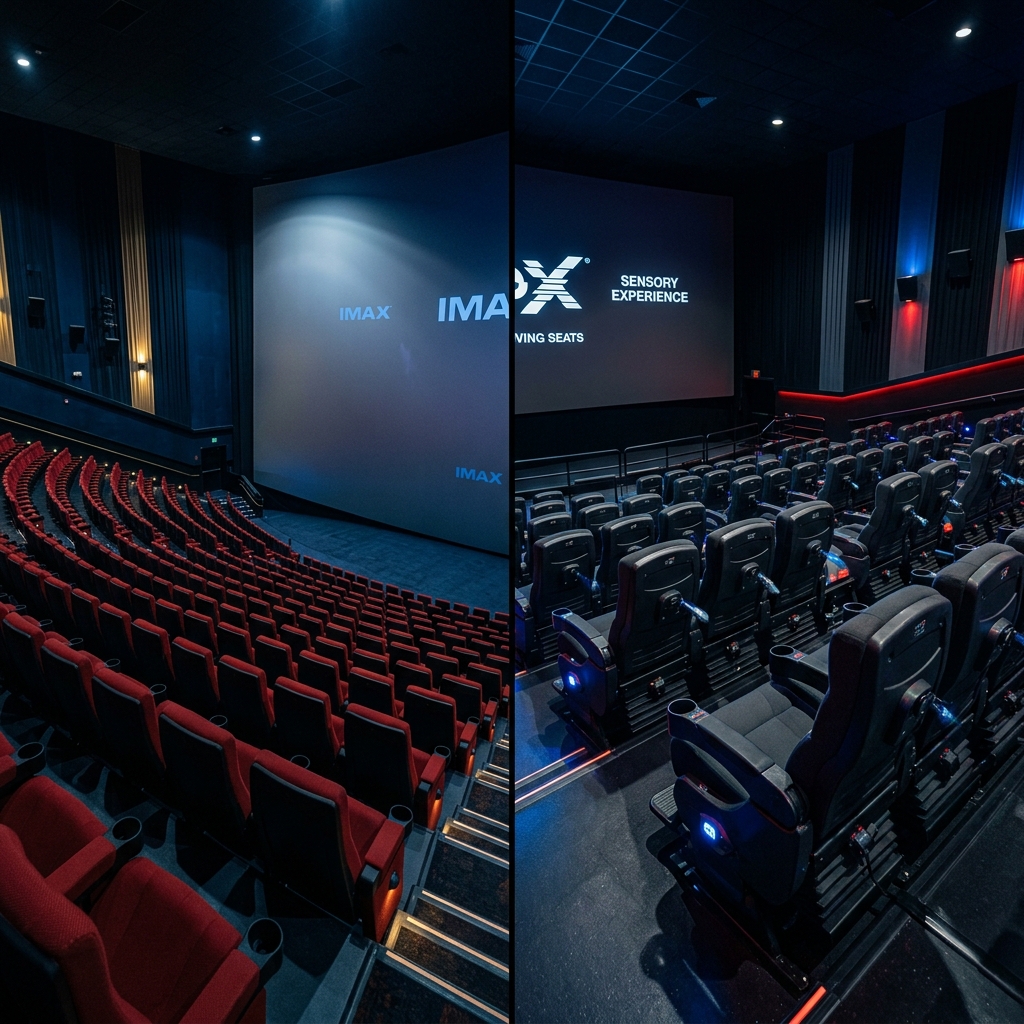
IMAX vs. 4DX: Which Premium Cinema Format is Worth It?
A comprehensive comparison of IMAX and 4DX cinema formats — covering screen size, audio, motion effects, seat comfort, and which format is better for different types of films.
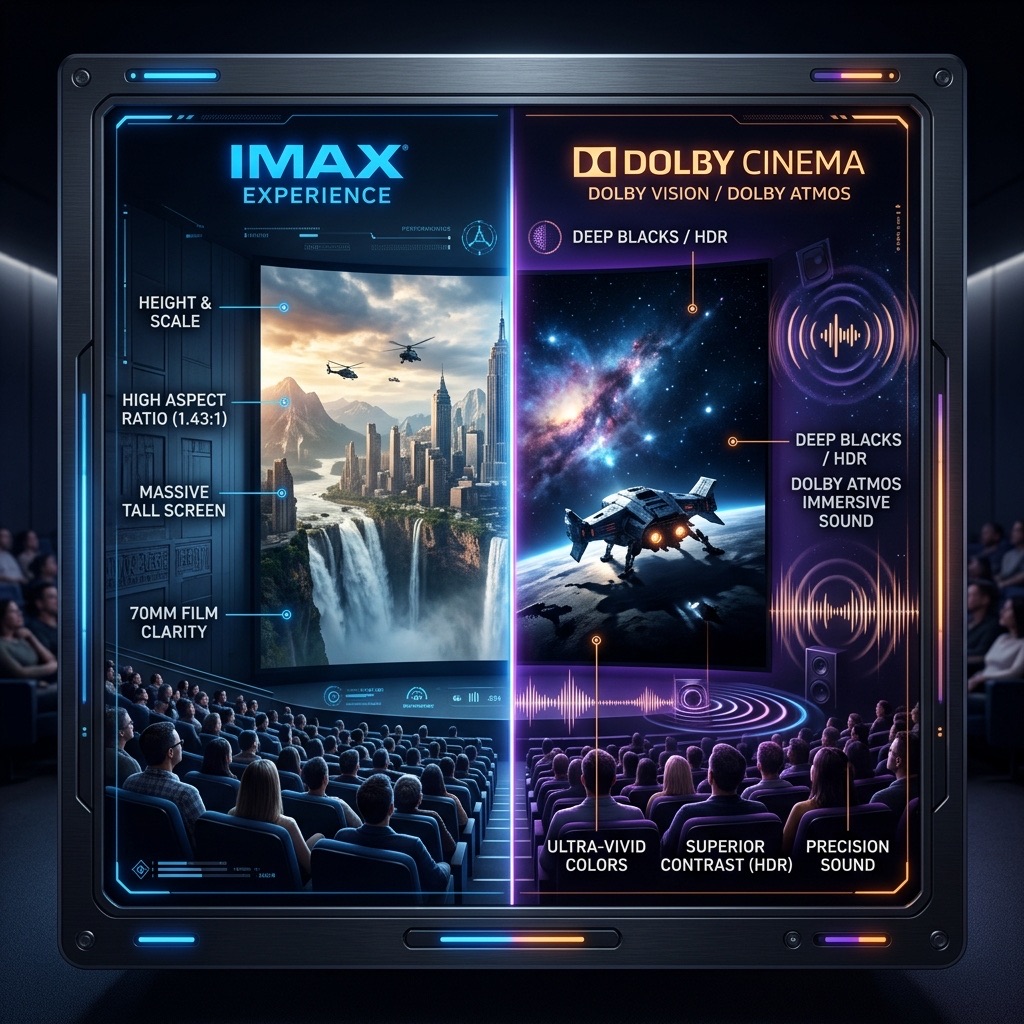
IMAX vs Dolby Cinema: ¿Cuál es el mejor formato de cine premium?
Una comparación detallada entre IMAX y Dolby Cinema. Analizamos el tamaño de pantalla, la calidad de imagen HDR, el sonido envolvente Dolby Atmos y el diseño del asiento.
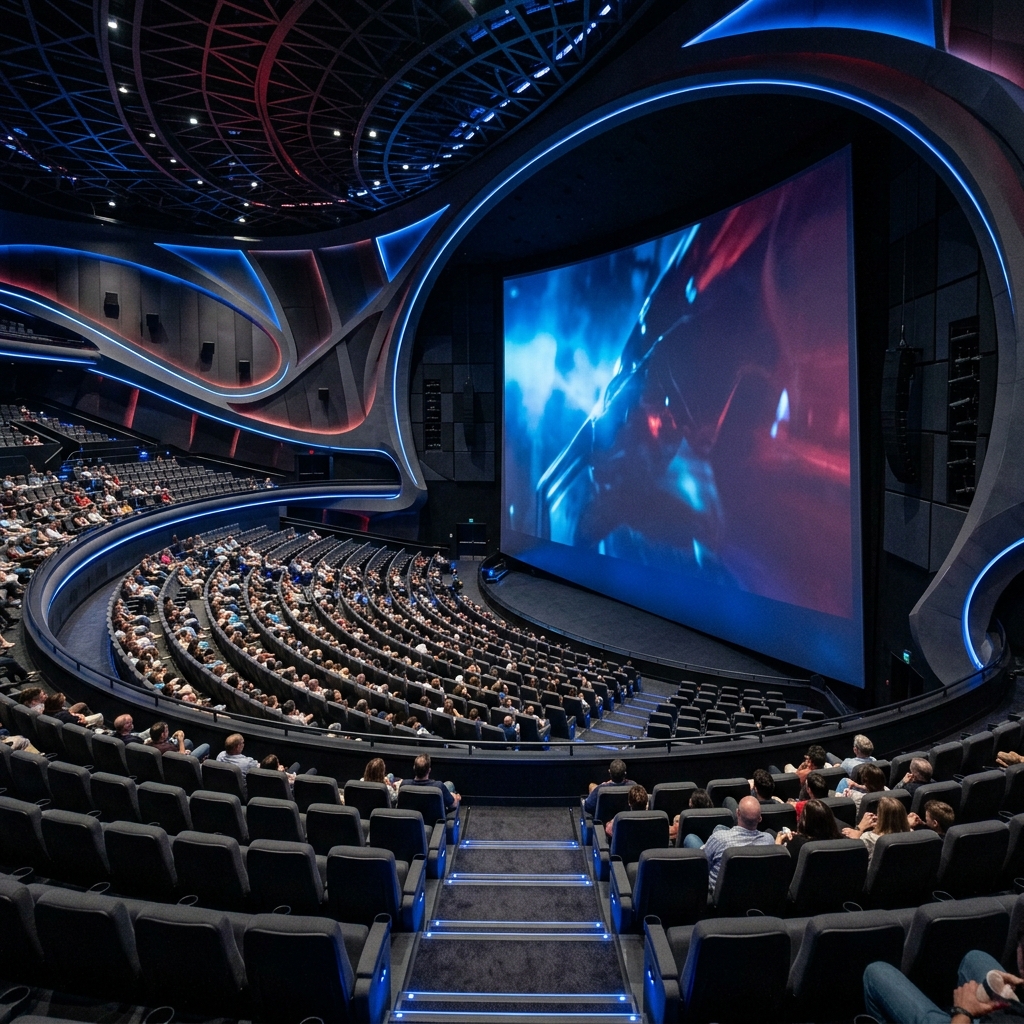
The Science Behind IMAX Viewing Angles: Engineering Immersion
An in-depth look at how IMAX engineers screen curvature, seating rake, and wide field-of-view angles to maximize cinema immersion.