
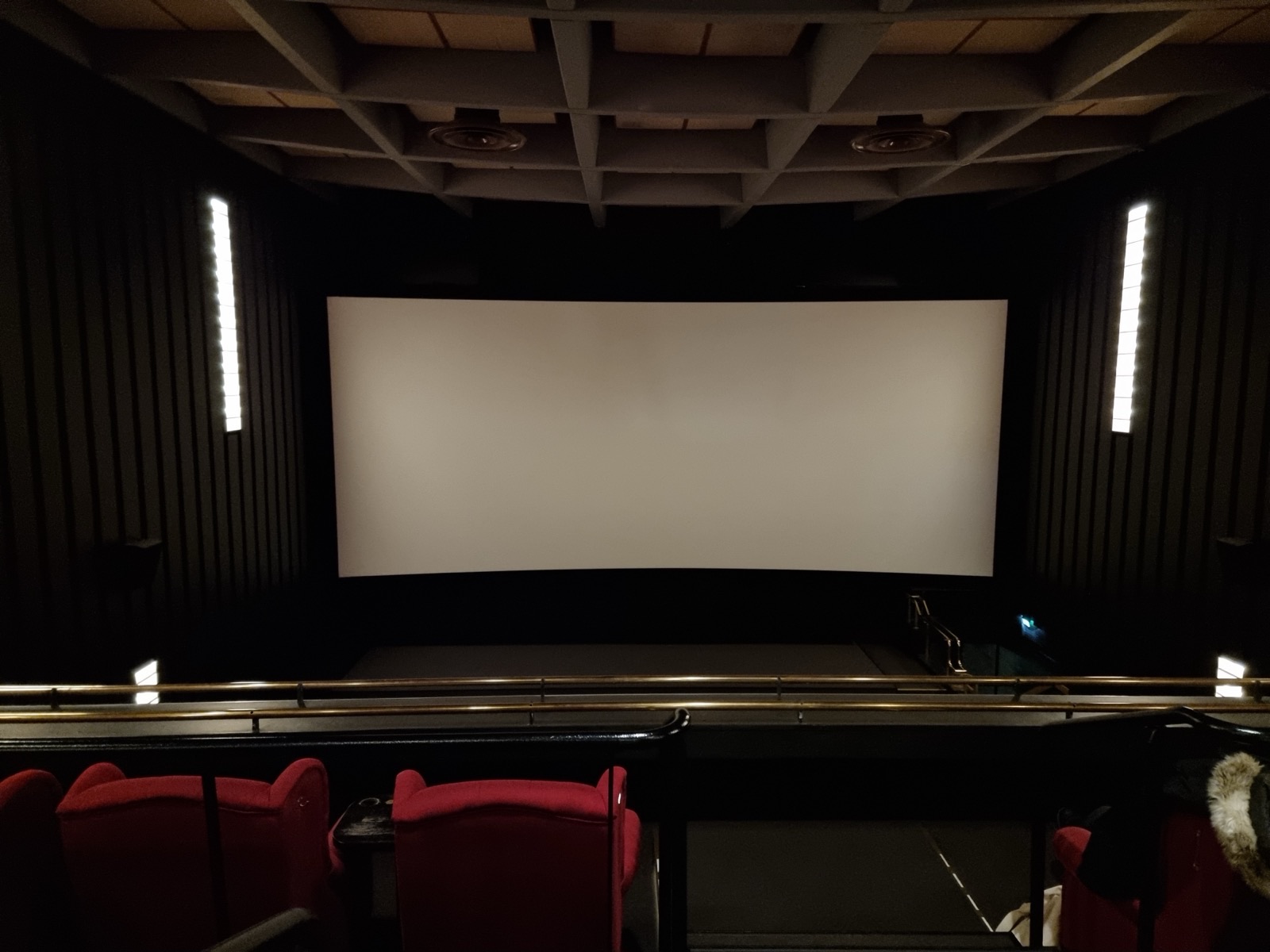
Cinema is at an inflection point. After decades of incremental evolution — widescreen, stereo, THX, Dolby, IMAX — the industry is entering a phase of fundamental reinvention. The technologies converging on the movie theater in the next five to ten years aren't just bigger screens or louder speakers. They're systemic changes to what a cinema visit is.
This is our view on where cinema technology is headed — and where tools like CinemaView fit into that future.
The Problem Cinema Is Solving (Again)
Every major cinema technology revolution has responded to the same threat: the competition of home entertainment. Wide-screen cinema in the 1950s was a response to television. Dolby Surround in the 1970s was a response to hi-fi home audio. IMAX's commercial expansion in the 2000s was a response to DVD home theaters.
Today, the competitive threat is streaming — and it's more formidable than anything cinema has faced before. Netflix, Disney+, and Apple TV+ now deliver 4K HDR content to your living room on a panel that may actually be larger than some cinema screens. The solution cinema is arriving at is the same as always: deliver something the home cannot.
The difference this time is that the answer isn't just "bigger" — it's personalized, multi-sensory, and communal.
Key Technology Trends Shaping Cinema's Future
1. AI-Powered Seat Personalization
The era of "any seat will do" cinema booking is ending. The next generation of seat selection tools use artificial intelligence to match you to the objectively best seat based on:
- Viewing angle optimization: Not just "middle row" generically — algorithmic analysis of each theater's specific geometry, screen curvature, speaker placement, and sightline data
- Personal preference learning: Your comfort history across previous visits; preferences for aisle access, legroom, proximity to speaker arrays, or front-heavy vs. back-heavy viewing
- Film-specific optimization: A horror film may be optimally experienced slightly back for maximum peripheral awareness. An IMAX documentary benefits from being slightly more forward. AI can calibrate seat recommendations based on content type
- Group dynamics: The best seats for a couple are different from the best seats for a family of five with a sensory-sensitive child
Where CinemaView fits: This is exactly the direction CinemaView is building toward. Our seat finder tool already provides format-specific recommendations based on cinema geometry and screen type. The next phase is integrating personal preference learning and film-specific optimization.
2. Haptic & Multi-Sensory Seating
D-BOX Motion Seats have been commercial for over a decade, but they represent first-generation haptics — broad, mechanical seat movement. The next generation is far more sophisticated:
- Haptic transducers embedded in seat cushions: Instead of a moving platform, these systems vibrate specific zones of the seat in sync with directional audio — you feel explosions through the left side of the seat when they originate screen-left
- Thermal haptics: Subtle temperature variation — warmth during fire-heavy sequences, a cool sensation during snow or water scenes — integrated into headrests and armrests
- Pressure-based haptics: Simulating the weight of impact or motion through resistance in the seat structure
Companies like Subpac, Seatek, and several South Korean and Chinese cinema technology start-ups are commercializing these systems for multi-seat installations. Expect them in flagship luxury venues by 2027–2028.
3. Immersive Audio: Beyond Dolby Atmos
Dolby Atmos — the current gold standard — places audio objects in a 3D space using up to 64 speaker feeds. The next phase of cinema audio is going further:
- Spatial audio personalization: Using head-tracking (via sensors in seat headrests or seat-embedded cameras) to dynamically adjust the audio mix to the specific position of each listener's head — addressing the fundamental limitation of current Atmos systems where the sweet spot is only perfectly correct at one position per row
- Binaural cinema audio: Cinemas with headphone integrations (already piloted in Japan and South Korea) that deliver individualized spatial audio at reference quality while maintaining communal visuals
- Sub-bass haptic integration: Merging the audio and haptic haptic layers so that bass-frequency information is delivered both through the air and directly through the seat, creating a more physiologically complete sensation
4. Laser Projection & Display Technology
IMAX Laser is currently the commercial pinnacle of projection technology, but several advances are approaching:
- Dual-laser 4K with HDR expansion: The next generation of laser projectors (from Christie, Barco, and NEC) pushes to 35,000 lumens brightness with HDR mapping matching theatrical HDR10+ standards — delivering more accurate color than any current commercial installation
- Micro-LED cinema screens: The display technology that will eventually replace projection entirely. Micro-LED panels eliminate the need for projection distance, enabling perfect black levels, unlimited contrast ratio, and uniform brightness across the entire screen surface. Samsung has piloted The Wall for Cinema in select South Korean venues — all-LED screens without any projector. Costs are currently prohibitive but are declining rapidly
- Curved and spherical screens: Moving beyond flat rectangular screens, curved installations create a more natural visual field. The Sphere in Las Vegas represents an extreme version — but smaller-scale spherical elements are being prototyped for commercial cinema
5. Boutique & Social Cinema Formats
The most interesting commercial trend isn't about technology — it's about scale going down, not just up. Alongside the mega-format IMAX expansion, a parallel movement is growing:
- Boutique screening rooms: 30–80 seat curated screening environments with chef-designed menus, cocktail service at your seat, premium recliners, and pre-film social spaces. Already significant in the UK (Everyman, Curzon, Picturehouses), USA (Alamo Drafthouse, Landmark), and India (PVR Gold)
- Private screening rentals: Many major chains now allow individuals or groups to rent entire auditoriums for private screenings. This grew significantly during COVID and has become a permanent premium product
- IP-themed cinema experiences: Disney, Universal, and other major studios are exploring themed auditoriums where the physical environment of the cinema transforms to match specific film universes — overlapping with theme park entertainment
6. Dynamic Pricing & Smart Seat Allocation
Like airline seating or concert ticketing, cinema seats are increasingly being priced dynamically:
- Time-of-day pricing: Peak evening showings cost more than matinees (already standard in many markets)
- Seat-specific premium pricing: The specific seats CinemaView identifies as optimal — the sweet spot rows in IMAX, the perfect centre seats in ScreenX — will increasingly carry a premium over aisle or back-row seats
- AI-driven occupancy optimization: Cinema chains are using machine learning to predict booking patterns for specific releases and adjust release strategies, screen assignments, and pricing in real time
How CinemaView Is Building for This Future
CinemaView exists at the intersection of all these trends. We believe the future of movie-going is:
- Informed — every visitor should know exactly which seat is optimal for their body, preferences, and chosen format before they book
- Personalized — recommendations that learn from you over time and adapt to different films, formats, and venues
- Global — cinema is a universal cultural experience; our tools are built from the ground up in six languages with cinema-specific guidance for countries across four continents
- Accessible — the best seat shouldn't only be discoverable through years of trial and error or film-nerd knowledge; it should be findable in seconds by anyone
Our current roadmap includes:
- Expanded theater database with seat-specific geometry data for major cinema chains globally
- Format-specific seat optimization for all premium formats including ScreenX, 4DX, IMAX Laser GT, Dolby Cinema, and emerging formats
- Mobile-first seat comparison so you can check your options seconds before walking through the cinema doors
- User preference learning so recommendations improve every time you visit
The Cinema Experience of 2030
By 2030, we believe a premium cinema visit will look something like this:
You open your cinema app two weeks before a major release. Based on your viewing history and stated preferences, it suggests two optimal showings — one IMAX, one boutique screening room — at venues within 15 minutes of you. It's already highlighted your optimal seats in both venues, with a rendered preview of the view from those specific rows.
You book, and on the day, your seat knows you're there. Your audio profile — head-tracked from a previous visit — automatically calibrates the Atmos mix slightly to your specific position. The D-BOX haptic system has been pre-loaded with a profile that limits sharp impact effects you've indicated you find uncomfortable.
The film begins. The ceiling-to-floor laser screen delivers an image more vivid than anything you've watched at home. The seat's haptic layer pulses with the score. For two hours, there is nothing streaming can do that comes close to this.
That future isn't as far away as it sounds. The technologies to build it all exist today. They're simply not yet integrated, standardized, or affordable at scale. CinemaView is building the intelligence layer that will sit at the centre of that experience.
The best seat in the house has always existed. We're just making it findable.
Want to find your best seat for your next cinema visit right now? Use our seat finder tool — it works across IMAX, Dolby Cinema, ScreenX, 4DX, and standard formats at over 500 cinemas globally.
CinemaView Editor
Editor & Expert Reviewer
Cinema seat expert and audio-visual enthusiast at CinemaView, dedicated to helping moviegoers find the perfect viewing spot.
Related Guides & Articles
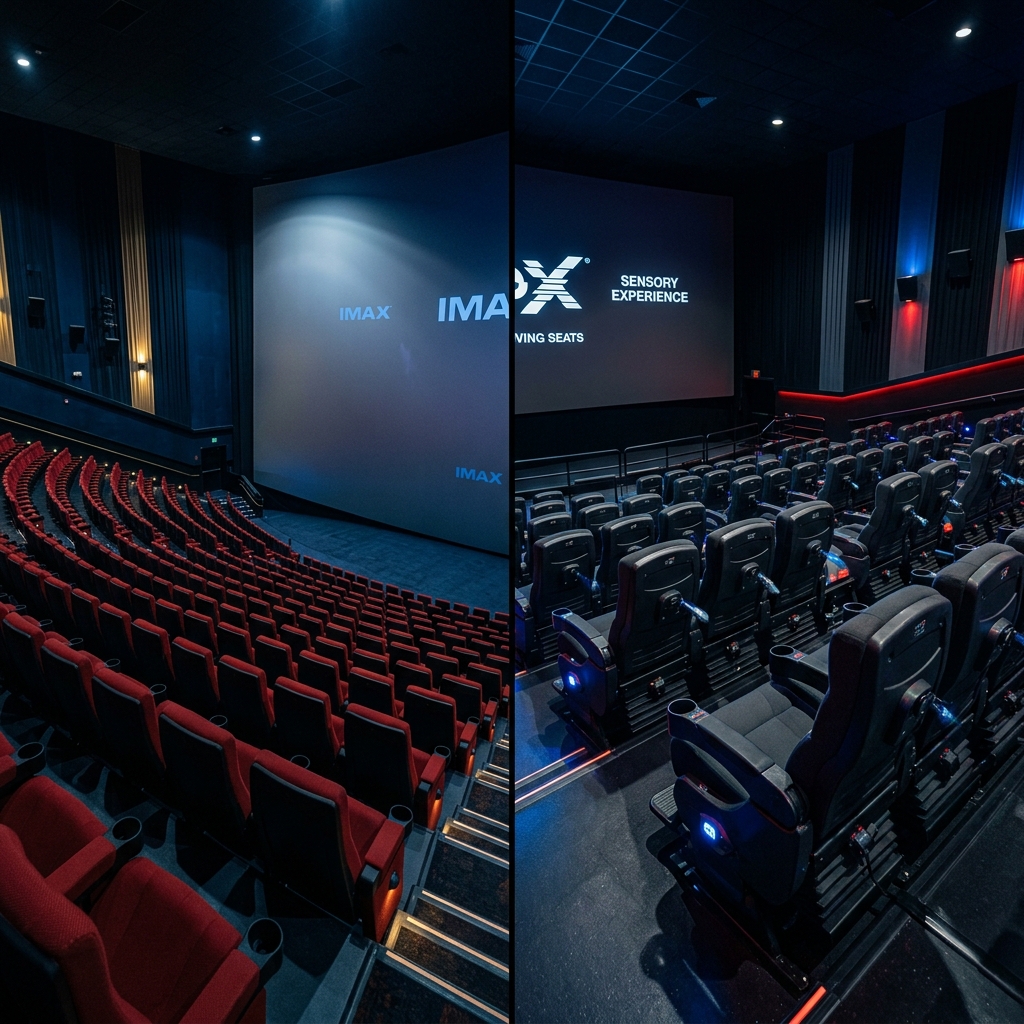
IMAX vs. 4DX: Which Premium Cinema Format is Worth It?
A comprehensive comparison of IMAX and 4DX cinema formats — covering screen size, audio, motion effects, seat comfort, and which format is better for different types of films.
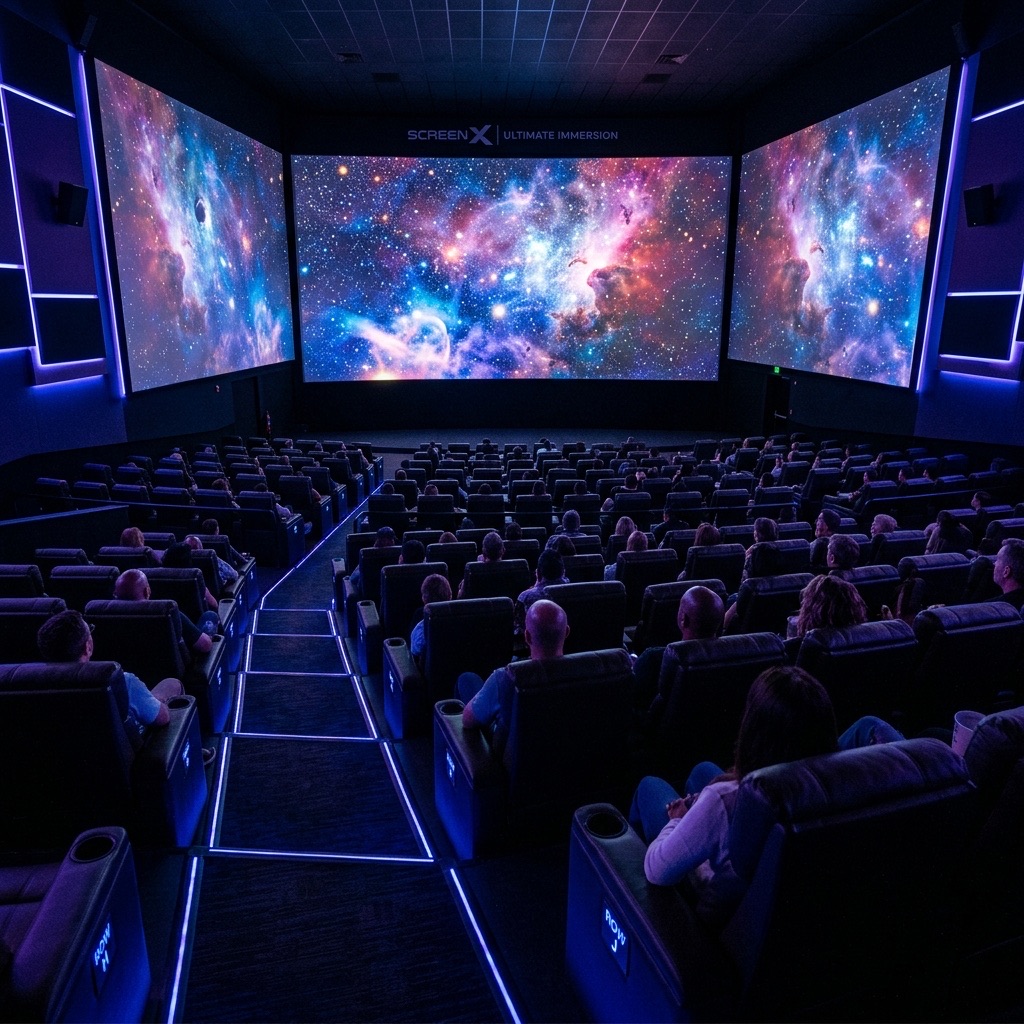
ScreenX vs IMAX: The 270° Cinema Experience Explained
ScreenX wraps your vision in 270° of cinema. But how does it compare to IMAX? We break down screen size, audio, content availability, best seats, and which format wins for different types of films.
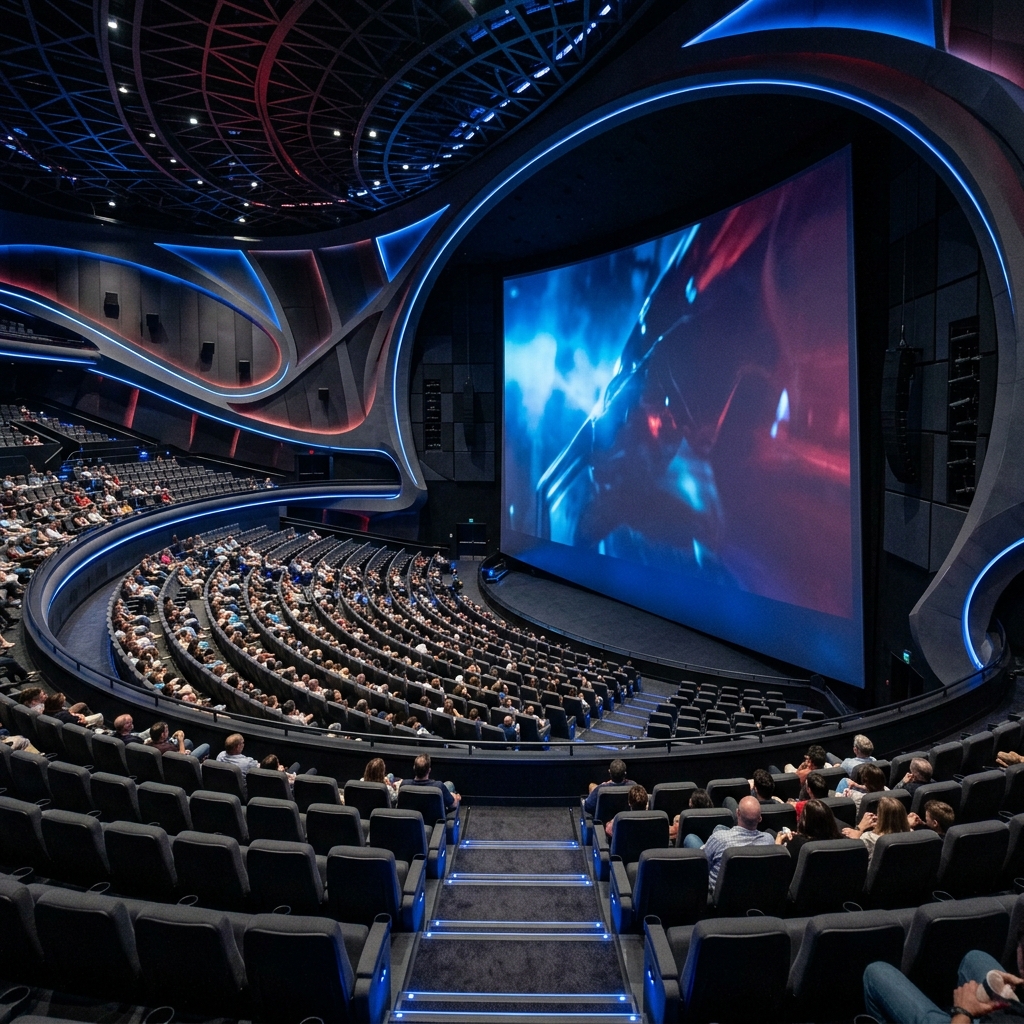
The Science Behind IMAX Viewing Angles: Engineering Immersion
An in-depth look at how IMAX engineers screen curvature, seating rake, and wide field-of-view angles to maximize cinema immersion.