
Table of Contents
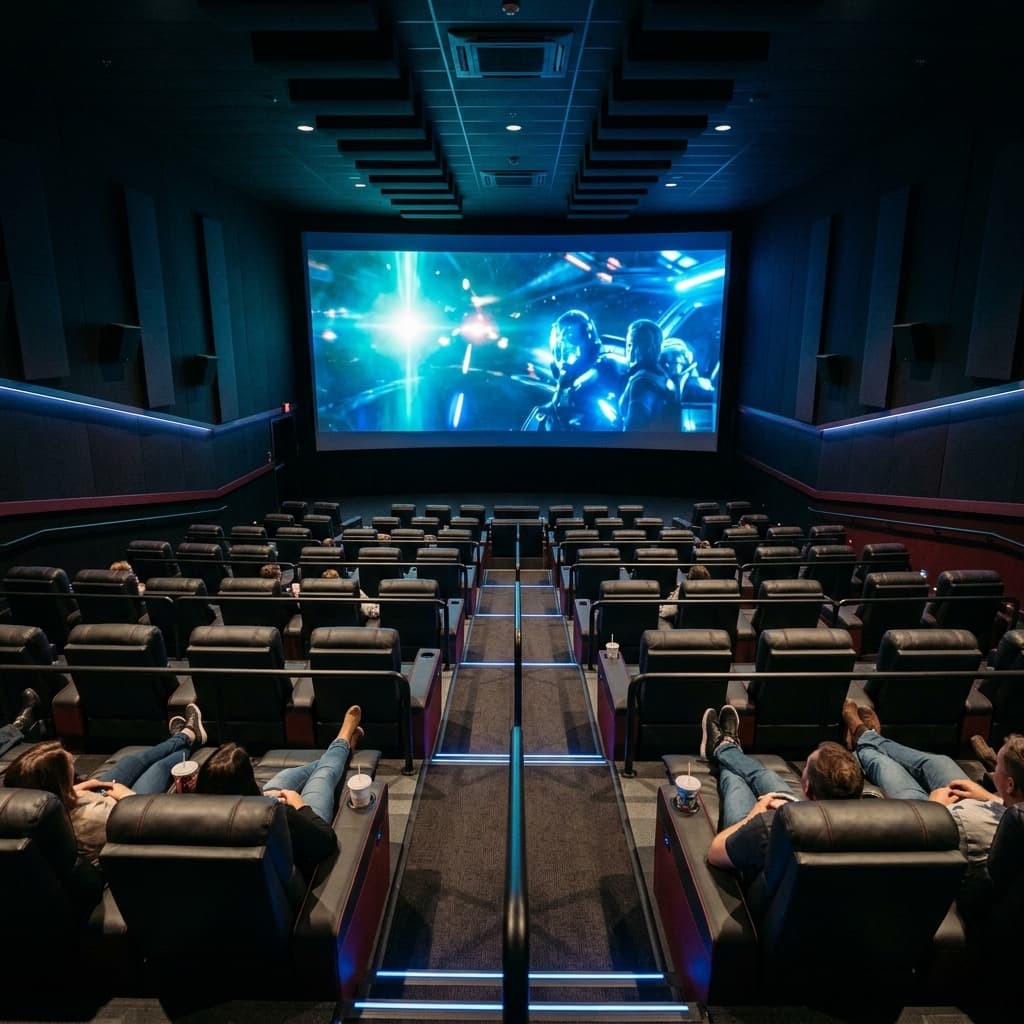
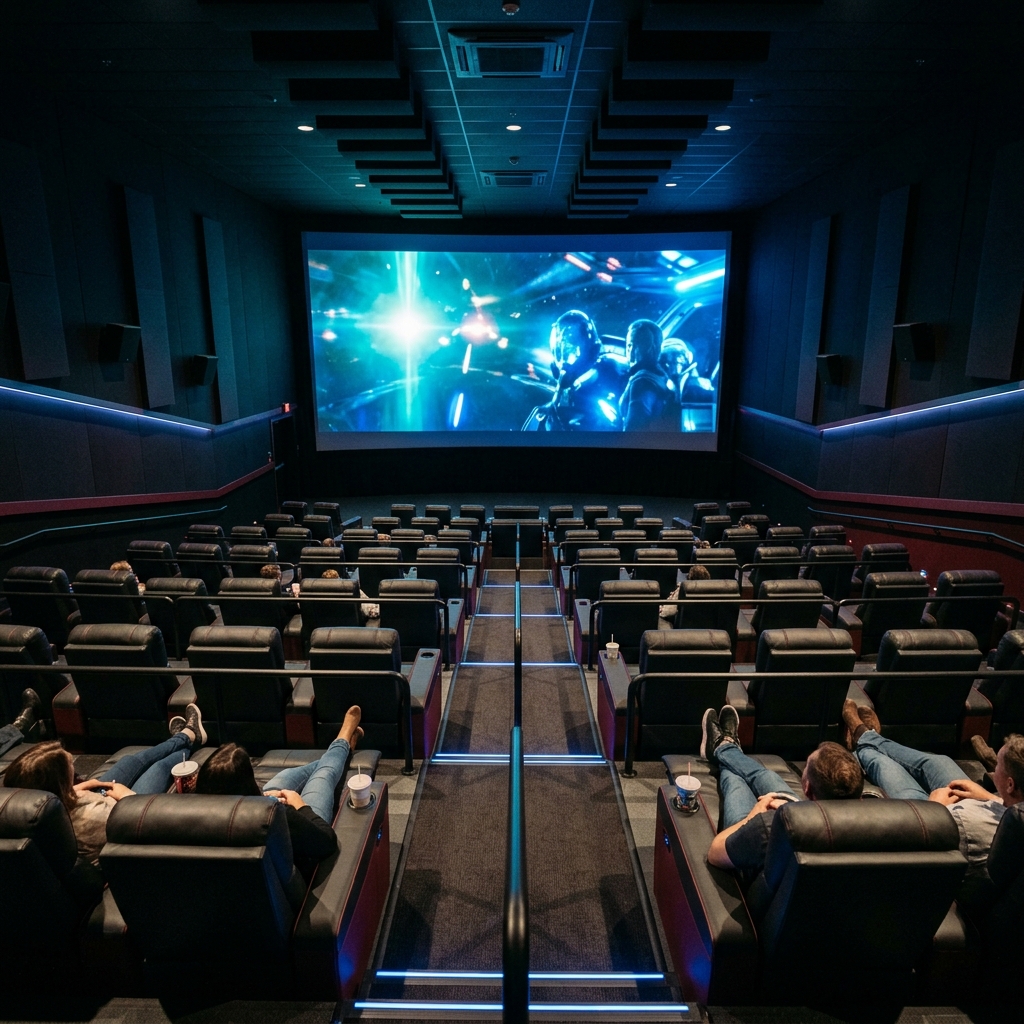
title: "SMPTE Viewing Standards Explained: Finding the Perfect Cinema Seat" slug: "smpte-viewing-standards" description: "A detailed guide to the Society of Motion Picture and Television Engineers (SMPTE) viewing distance and angle standards for movie theaters and home cinemas." author: "CinemaView Editor" publishedAt: "2026-06-30" category: "Guides" tags: ["Specs", "Viewing Angle", "SMPTE", "Standards"] keywords: ["SMPTE viewing standards", "SMPTE viewing angle", "cinema seating standards", "ideal seat distance"] image: "/images/blog/smpte-viewing-standards.png" imageAlt: "A wide-angle cinematic shot of movie theater rows showing visitors reclined and watching a bright screen" breadcrumbLabel: "SMPTE Standards" relatedSlugs:
- thx-recommended-seating-distance
- movie-theater-geometry-explained faqs:
- question: "What is the SMPTE standard viewing angle?" answer: "SMPTE recommends a minimum horizontal viewing angle of 30 degrees for movie theaters, ensuring that the screen fills a comfortable portion of your field of view."
- question: "How does SMPTE differ from THX?" answer: "SMPTE has a slightly lower threshold (30 degrees minimum) compared to THX (36 degrees minimum), making the SMPTE recommended seating range slightly further back than THX."
When it comes to movie theater design and seating layout, the Society of Motion Picture and Television Engineers (SMPTE) is the organization that sets the reference rules. Unlike THX, which is a commercial standard focused on consumer theaters, SMPTE is a professional engineering society that defines standards for the entire motion picture industry.
If you want to know exactly how seating distance and viewing angles are calculated by professional theater installers, you need to understand the SMPTE viewing standards.
The SMPTE Viewing Angle Standard
Like THX, the SMPTE guidelines are based on the horizontal field of view (FOV). The standard is defined in the document SMPTE EG 18-1994 (Engineering Guideline for Design of Effective Cine Theaters).
The core guidelines state:
- Minimum Seating Distance (Farthest Row): The horizontal viewing angle from the back row of the theater should be at least 30 degrees.
- Maximum Seating Distance (Closest Row): The screen should not be closer than the point where the viewer must rotate their head more than 30 degrees horizontally to see the edges.
- Vertical Angle: The vertical viewing angle from any seat should not exceed 35 degrees from the horizontal line of sight to the top of the screen.
You can read more about these standards directly on the Society of Motion Picture and Television Engineers (SMPTE) official site.
Screen Size vs. SMPTE Seating Distances
To achieve the SMPTE recommended 30-degree field of view, you can calculate the seating distance using a simple multiplier:
SMPTE Seating Distance = Screen Width * 1.63
For home cinemas, this table matches common screen sizes (widths) to the SMPTE seating distances:
| Screen Width | Aspect Ratio | SMPTE Recommended Distance (30°) | Immersion Profile |
|---|---|---|---|
| 5 feet (60 inches) | 16:9 | 8.2 feet | Comfortable |
| 6 feet (72 inches) | 16:9 | 9.8 feet | Balanced |
| 8 feet (96 inches) | 16:9 | 13.0 feet | Cinematic |
| 10 feet (120 inches) | 16:9 | 16.3 feet | Reference Studio |
| 12 feet (144 inches) | 16:9 | 19.6 feet | Mini Theater |
To compare this directly with the tighter THX standards, check out our THX Recommended Seating Distance Guide.
SMPTE vs. THX: Which is Better?
While both standards aim for visual comfort, they cater to slightly different preferences.
- •SMPTE standards are highly realistic for home theaters with space constraints
- •Less aggressive than THX, which is great for viewers sensitive to motion sickness
- •Addresses vertical sightlines comprehensively, protecting neck health
- •A 30-degree viewing angle might feel less immersive for modern cinematic IMAX films
- •Forces you to sit slightly further back than what most modern stadium seating designs allow
Vertical Sightlines and Comfort
SMPTE is particularly strict about the vertical tilt. Studies have shown that tilting your head up more than 15 to 20 degrees for over two hours leads to significant neck strain. This is why SMPTE recommends that the top of the screen should never be higher than 35 degrees above your eye level.
If you are sitting in the front rows of a standard theater, this angle is often violated. To find the rows that respect these vertical sightlines, consult our Ultimate Guide to Movie Theater Geometry.
Summary
The SMPTE standard of a 30-degree viewing angle is a great baseline for general viewing and television setups. For high-impact action movies and premium large formats, you may want to sit closer to hit the 40-degree THX sweet spot, but staying within the SMPTE guidelines ensures a comfortable, strain-free moviegoing experience.
CinemaView Editor
Editor & Expert Reviewer
Cinema seat expert and audio-visual enthusiast at CinemaView, dedicated to helping moviegoers find the perfect viewing spot.
Related Guides & Articles
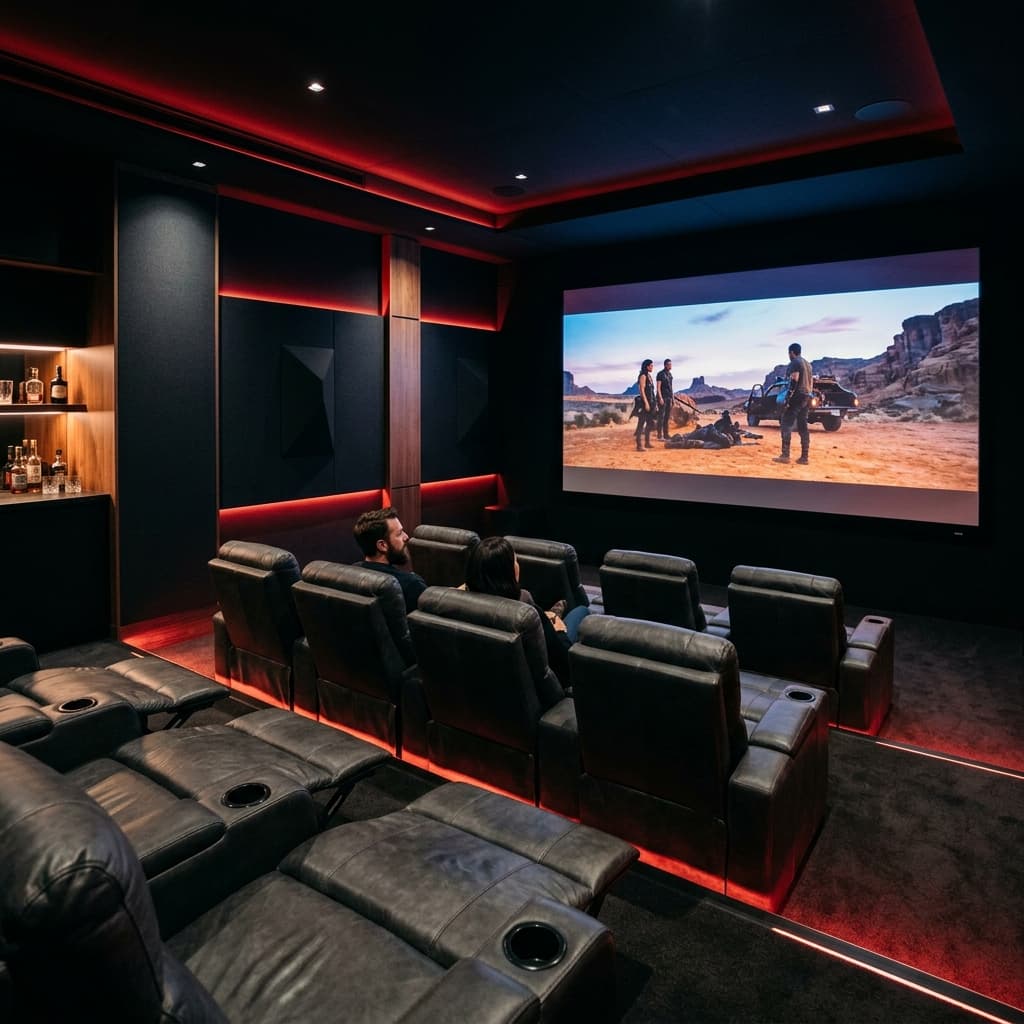
THX Recommended Seating Distance: The Ultimate Cinema Guide
A detailed breakdown of THX seating distance standards and formulas for movie theaters and home cinemas to achieve the perfect viewing angle.
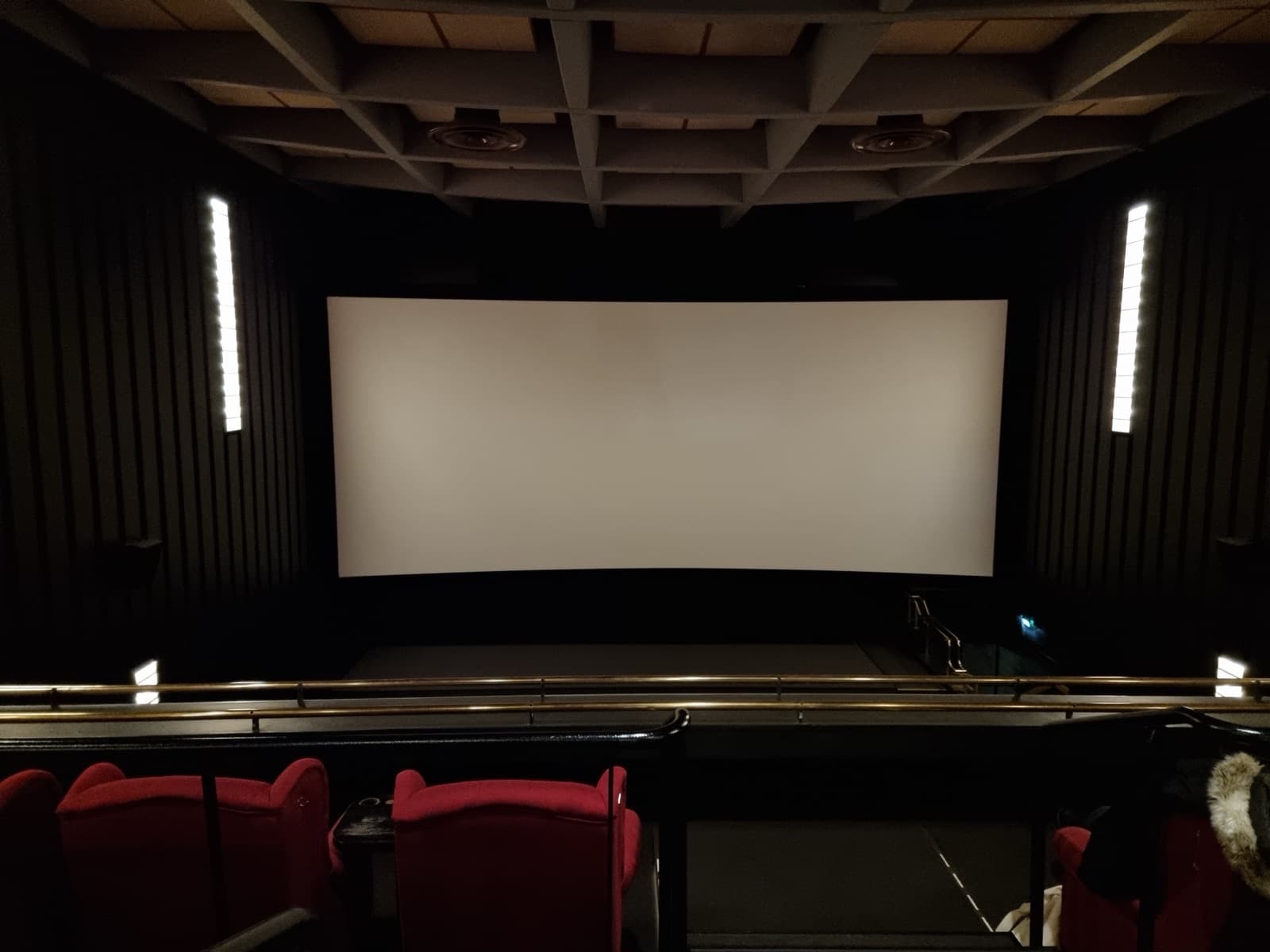
The Ultimate Guide to Movie Theater Geometry
Discover the mathematical and geometric principles that govern perfect cinema seats, including viewing angles, sightlines, and sound acoustics.