
Table of Contents
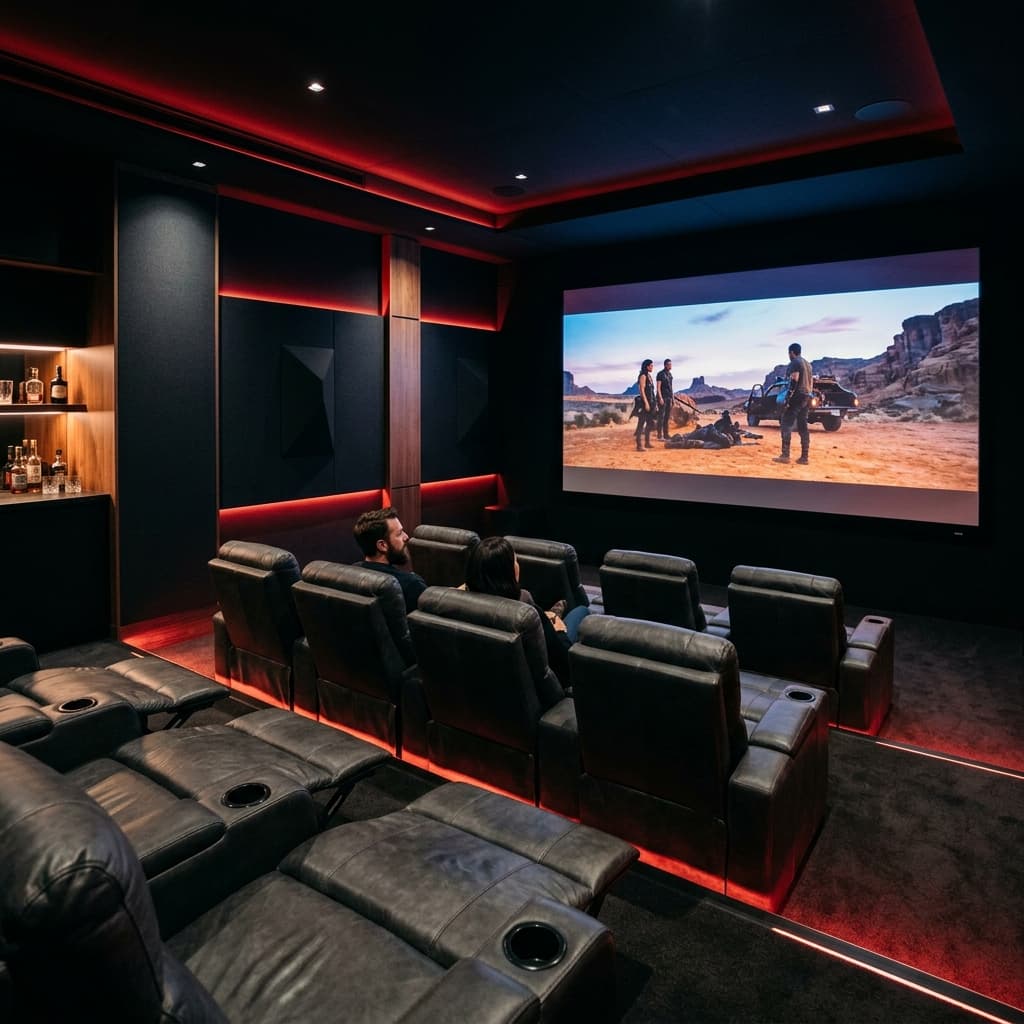
title: "THX Recommended Seating Distance: The Ultimate Cinema Guide" slug: "thx-recommended-seating-distance" description: "A detailed breakdown of THX seating distance standards and formulas for movie theaters and home cinemas to achieve the perfect viewing angle." author: "CinemaView Editor" publishedAt: "2026-06-30" category: "Guides" tags: ["Specs", "Viewing Angle", "THX", "Comfort"] keywords: ["THX recommended seating distance", "THX viewing angle", "cinema seating calculator", "best seat distance"] image: "/images/blog/thx-recommended-seating-distance.png" imageAlt: "A clean, premium home cinema theater layout showing leather seats and red backlighting" breadcrumbLabel: "THX Distance Guide" relatedSlugs:
- movie-theater-geometry-explained
- best-cinema-seat faqs:
- question: "What is the THX recommended viewing angle?" answer: "THX recommends a minimum horizontal viewing angle of 36 degrees from the back row, and ideally a 40-degree viewing angle for the best immersion."
- question: "How do you calculate THX seating distance?" answer: "To calculate the THX recommended distance, divide the screen width (or diagonal) by 0.84 to get the ideal viewing distance in inches, feet, or meters."
When setting up a home theater or choosing the perfect ticket in a commercial cinema, one standard reigns supreme: the THX certification standard. Created by George Lucas in 1983 during the production of Star Wars: Episode VI - Return of the Jedi, THX is designed to ensure that the audience experiences the film exactly as the creator intended.
At the heart of the THX standard is the balance between screen size and seating distance. Let's dive deep into the math, standards, and recommendations to find your sweet spot.
The THX Seating Formula
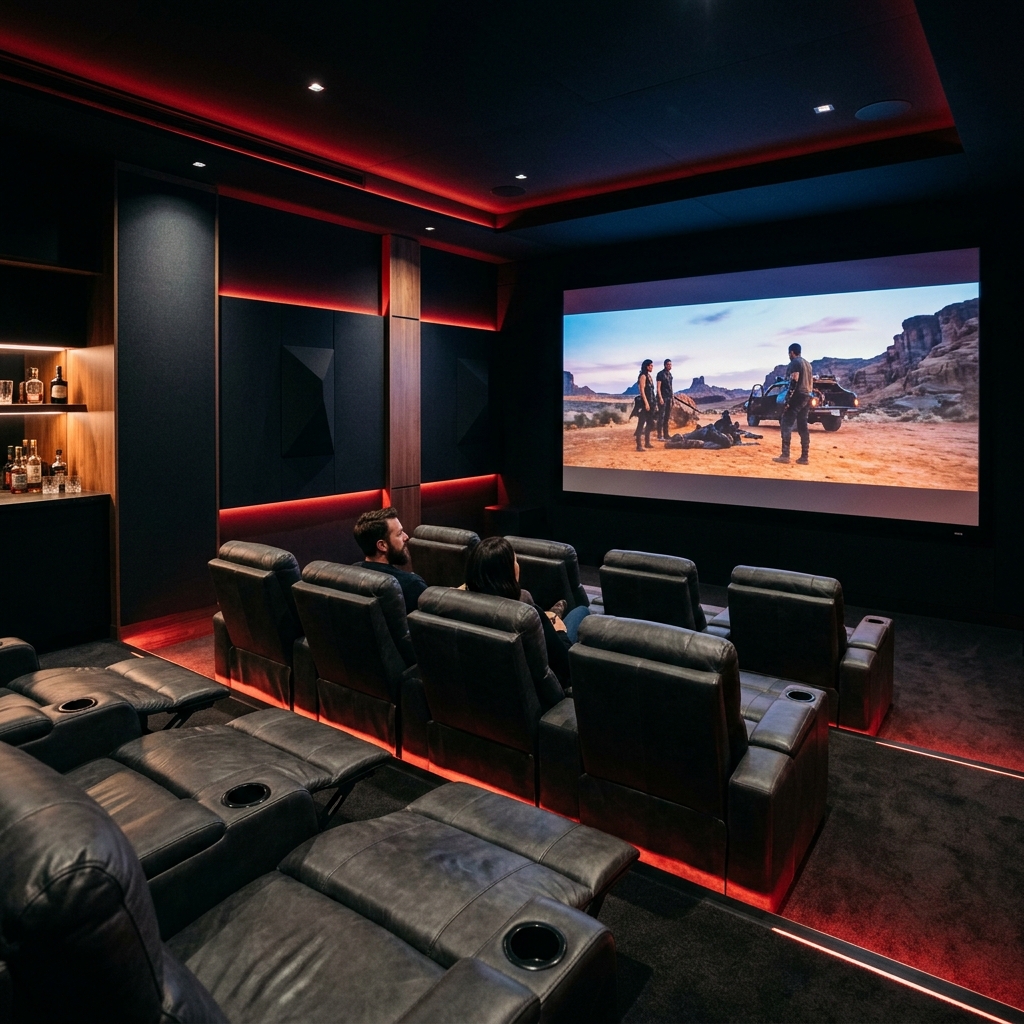
THX standards are based on the horizontal field of view (FOV). The goal is to make the screen fill enough of your peripheral vision to feel immersive, without forcing you to strain your neck or scan your eyes back and forth.
The core THX guidelines state:
- Minimum Angle: The horizontal viewing angle must be at least 36 degrees from the farthest seat in the auditorium.
- Recommended Angle: The ideal horizontal viewing angle is 40 degrees.
To calculate this distance, you can use a simple formula based on the screen's diagonal size:
Ideal Seating Distance = Screen Diagonal / 0.84
For example, if you have a 120-inch diagonal screen, the formula gives:
Ideal Seating Distance = 120 / 0.84 = 142.8 inches (approx. 11.9 feet)
For commercial theaters, you can read more about cinema standards on the official THX Website and the Society of Motion Picture and Television Engineers (SMPTE).
Screen Size vs. THX Viewing Distances
Below is a quick reference table comparing common screen sizes to the minimum and recommended THX seating distances.
| Screen Size (Diagonal) | THX Minimum Distance (36°) | THX Recommended Distance (40°) | Acoustic Immersion |
|---|---|---|---|
| 75 inches | 8.4 feet | 7.5 feet | Moderate |
| 85 inches | 9.6 feet | 8.5 feet | Good |
| 100 inches | 11.2 feet | 10.0 feet | Excellent |
| 120 inches | 13.4 feet | 12.0 feet | Cinematic |
| 150 inches | 16.8 feet | 15.0 feet | Theater Reference |
Pro Cinema Seat Picker Tip
In commercial theaters, the screen width is much larger (often 40 to 60 feet wide). To hit the 40-degree THX sweet spot, count the rows from the screen and try to sit in the row that is roughly 1.2 to 1.5 times the screen height away. You can use our Ultimate Guide to Movie Theater Geometry to see how sightlines change.
Pros & Cons of the THX Seating Standard
While THX is the gold standard for home theaters and general multiplexes, it has some minor trade-offs depending on the format you are watching (e.g., IMAX or ScreenX).
- •Perfect balance of immersion and visual comfort
- •Reduces eye strain by matching human peripheral vision sweet spots
- •Optimizes spatial sound staging for 7.1 and Dolby Atmos setups
- •Might feel too far back for fans of giant formats like IMAX
- •Does not account for extremely wide multi-screen systems like ScreenX
Vertical Sightlines: The 15-Degree Rule
Seating distance is only half the battle. You must also consider the vertical viewing angle. THX states that the viewer's head should not have to tilt back more than 15 degrees to see the top of the screen.
If you sit in the front rows of a cinema, you are often looking up at an angle of 30 degrees or more. This causes neck strain and distorts the geometry of the image (keystoning). For a deeper look at the math behind vertical sightlines, check out our guide on Why the Center Seat is the Best.
Summary
To get a true reference experience, try to align your seats with the 40-degree THX recommendation. In a commercial theater, this is usually found in the middle rows of the center section. In a home environment, use the $0.84$ divisor to set your couch at the perfect distance.
CinemaView Editor
Editor & Expert Reviewer
Cinema seat expert and audio-visual enthusiast at CinemaView, dedicated to helping moviegoers find the perfect viewing spot.
Related Guides & Articles
The Ultimate Guide to Movie Theater Geometry
Discover the mathematical and geometric principles that govern perfect cinema seats, including viewing angles, sightlines, and sound acoustics.
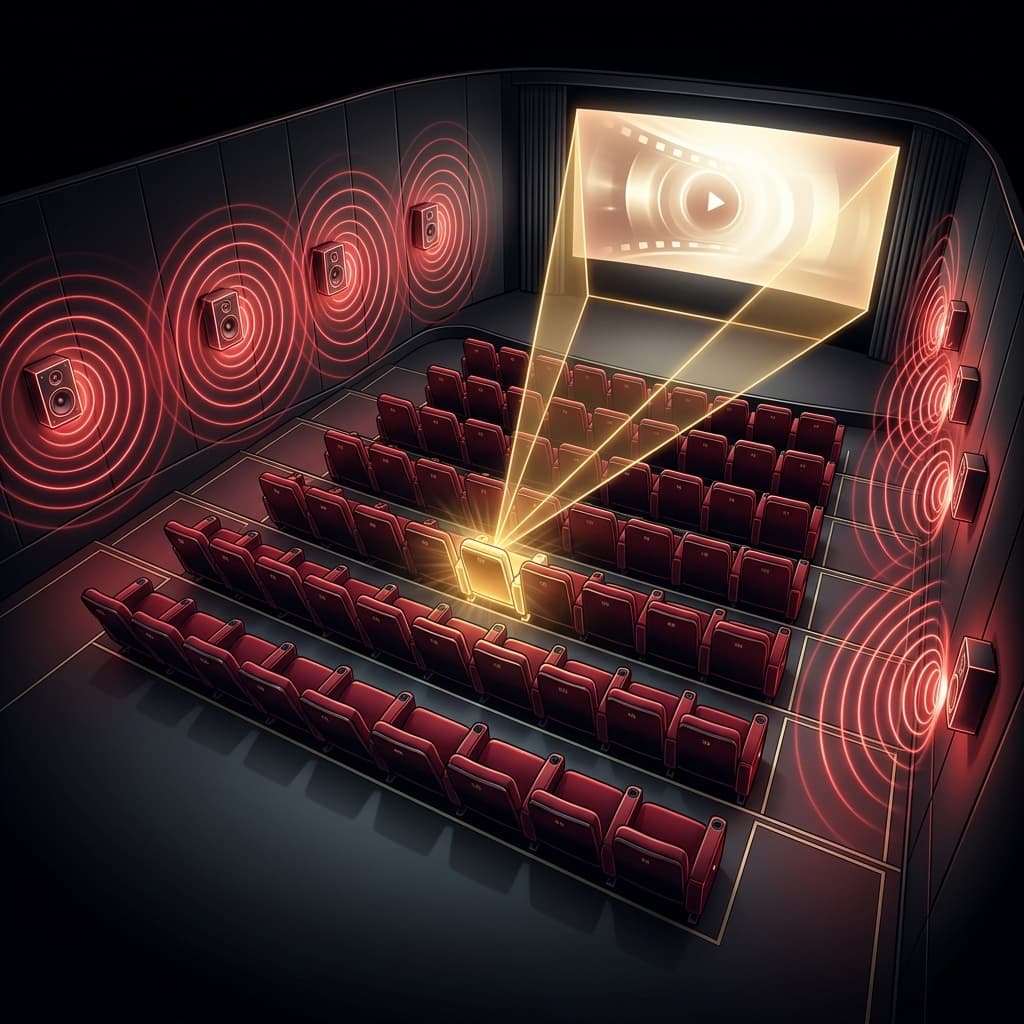
Best Cinema Seat: How to Find the Perfect Spot
Learn how to find the best seat in any cinema. Covers optimal rows, viewing angles, audio sweet spots, and how seat position changes across IMAX, Dolby Cinema, ScreenX, and 4DX.