Brent Marchant
Written on 11/12/2023
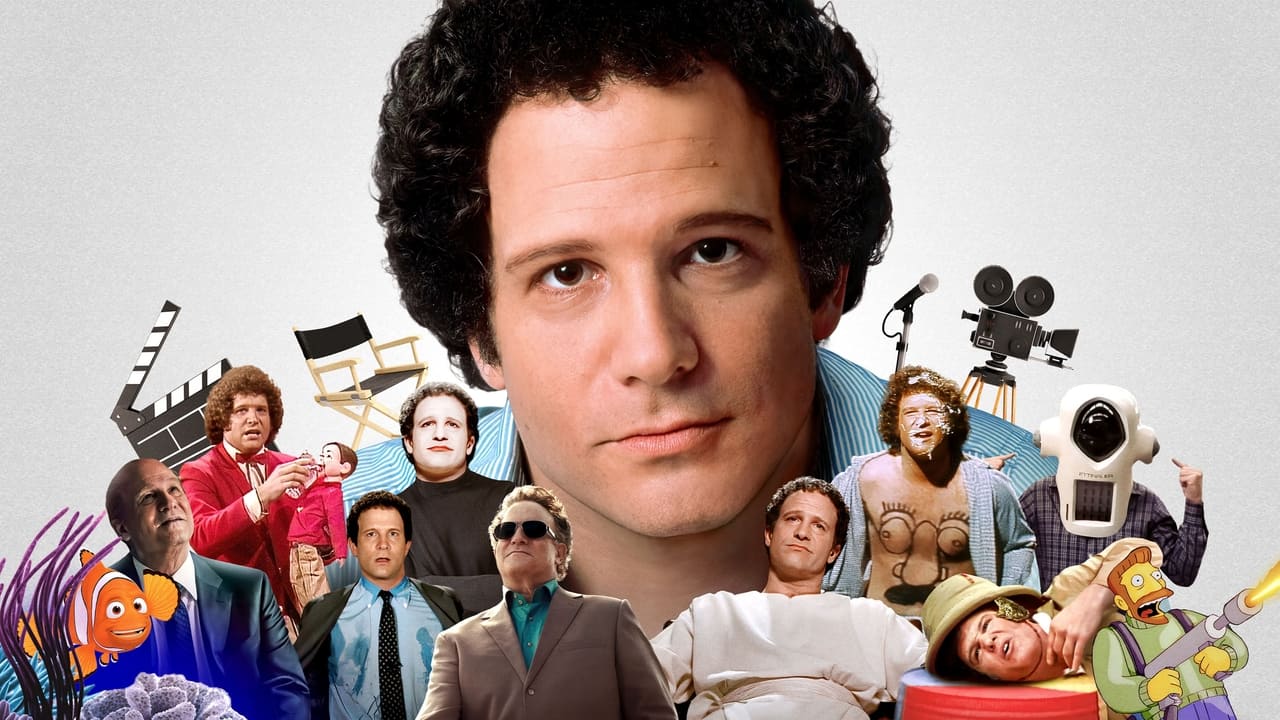
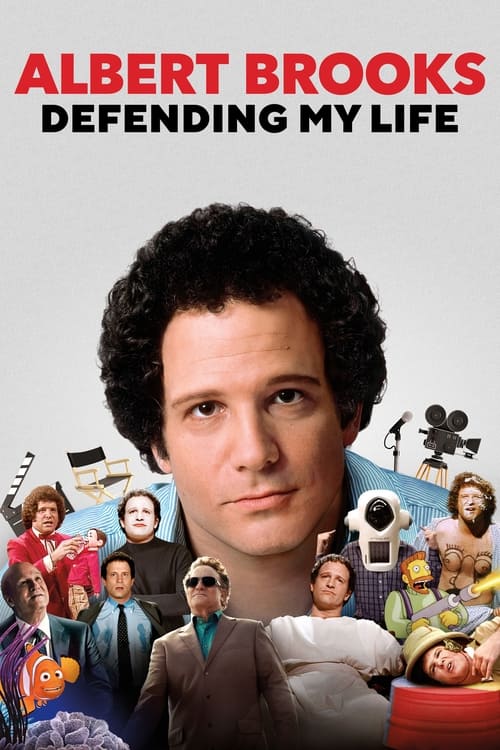
When someone helps to shift the direction of something, regardless of the milieu involved, there’s a natural inclination to want to celebrate that individual’s contributions. In the area of stand-up comedy, one of the names that frequently comes to mind is Albert Brooks (born Albert Einstein – really). In the 1970s, his inventiveness took comedy in a new direction, inspiring others to follow suit and forever changing the art form, and this new HBO documentary from Brooks’s lifelong friend, director Rob Reiner, is an apparently sincere attempt at paying tribute to the writer-actor-comedian-director. Unfortunately, this effort misses the mark in many respects (though it admittedly improves markedly in the picture’s back half). Perhaps the biggest issue here is Reiner himself; as someone who has known Brooks since high school, he’s probably too close to the material to present a balanced view of his subject. Many of his interview sequences with Brooks come across as two old friends reminiscing about the past without providing sufficient back story information for the viewers, the result being a vehicle that’s a little too “inside” for audiences to fully appreciate the point of their conversations. What’s more, the film has an annoying tendency to gush, especially when it comes to the comedian’s early routines, work that may have been cutting-edge when first introduced but that, frankly, hasn’t withstood the test of time. Toning down the hype here would help immeasurably, particularly in the film’s interview segments with peers and admirers (including such entertainment industry heavy hitters as Chris Rock, Wanda Sykes, Ben Stiller, Sarah Silverman, Larry David, David Letterman, Conan O’Brien, Jon Stewart, Stephen Spielberg, James L. Brooks and Judd Apatow, among others), which often treat Brooks as the sole progenitor of innovative stand-up comedy. This is clearly a case of overstatement, especially since there were others at the time doing similarly inventive routines. The picture’s opening sequence, largely devoted to the foregoing, rambles along far too long, too, delaying its treatment of what works best in this documentary – an examination of Brooks’s achievements as the director of such movies as “Real Life” (1979), “Lost in America” (1985), “Defending Your Life” (1991) (his best work) and “Mother” (1996), as well as his performances in films like “Taxi Driver” (1976), “Broadcast News” (1987), “Drive” (2011) and “Concussion” (2015) and his animation voiceover work in “Finding Nemo” (2003), “Finding Dory” (2016) and his multiple appearances on the long-running TV series The Simpsons. These are the endeavors in which Brooks’s brilliance truly shines, and they generally deserve better, more complete treatment than what they receive here. Don’t get me wrong here – I’m a big fan of Brooks; however, I wish his talents and achievements had been showcased in a better film than what’s on offer here. If you really want to get to know Brooks better, watch one of his films – they’ll show you more about him than anything featured in this documentary.