
Table of Contents
title: "Why Seat Selection Matters More Than Screen Size: The Immersion Paradox" slug: "seat-selection-vs-screen-size" description: "Discover the immersion paradox: why sitting in a prime seat on a standard screen beats sitting in a bad seat on a giant IMAX screen." author: "CinemaView Editor" publishedAt: "2026-06-30" category: "Guides" tags: ["Guides", "Comfort", "Seating", "IMAX"] keywords: ["seat selection vs screen size", "does seat matter more than format", "best seat over big screen", "imax seat comparison"] image: "/images/blog/seat-selection-vs-screen-size.png" imageAlt: "A comparison diagram showing how seat placement affects screen size perception in a theater" breadcrumbLabel: "Seats vs. Screens" relatedSlugs:
- worst-seats-in-movie-theater
- front-row-vs-middle-vs-back
- why-center-seat-best faqs:
- question: "Is a bad seat in IMAX better than a good seat on a standard screen?" answer: "No. A front-row or extreme side seat in an IMAX theater suffers from heavy image distortion, neck strain, and poor sound, making a center seat on a standard screen a far superior experience."
- question: "How does seating position affect perceived screen size?" answer: "Due to relative perspective, sitting closer to a smaller screen makes it fill the same horizontal field of view as sitting further back from a giant screen."
When a major blockbuster releases, moviegoers flock to book the biggest screen in town. We assume that a larger screen format like IMAX or Dolby Cinema automatically translates to a superior experience.
But there is a major flaw in this logic: the immersion paradox.
Because of basic physics and human perception, your seating position inside the auditorium has a far greater impact on your viewing angle, sound experience, and comfort than the physical dimensions of the screen itself.
Perceived Screen Size and Perspective
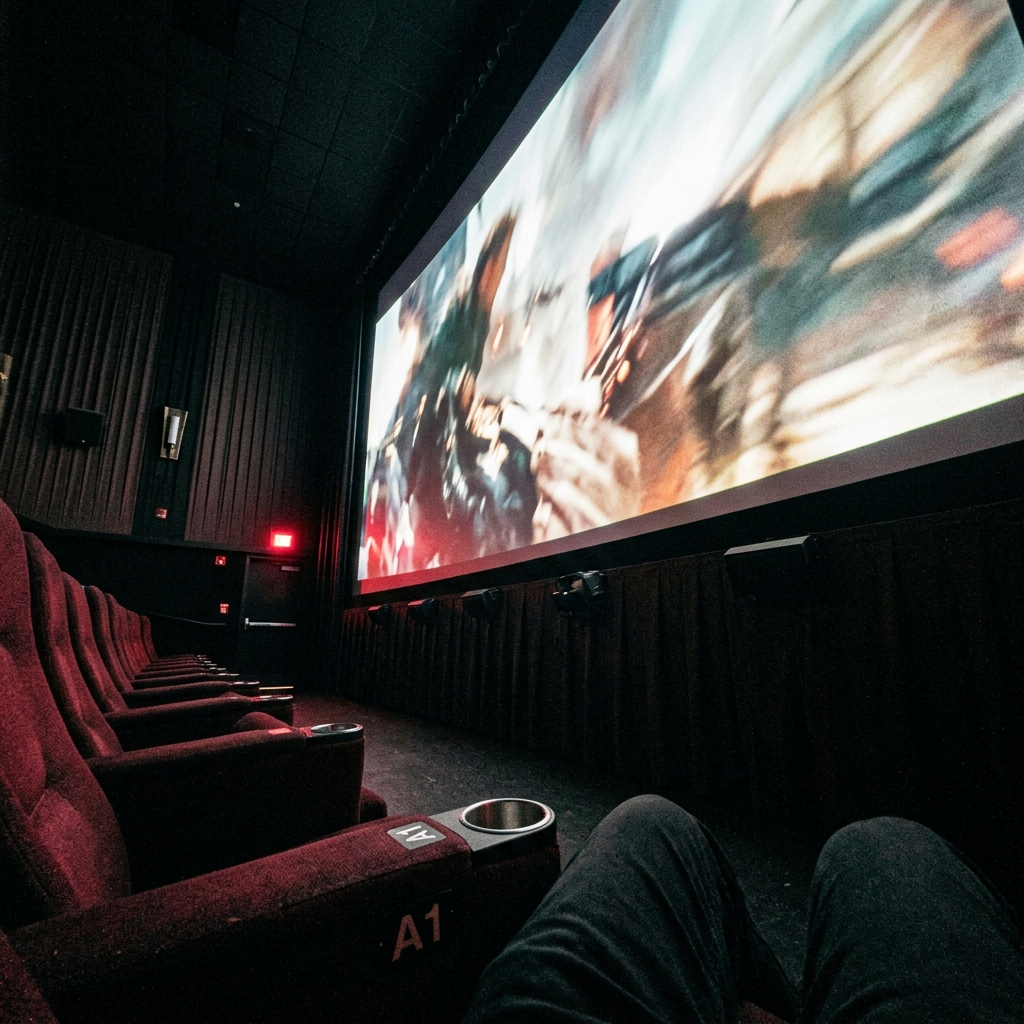
To understand why seating matters more than screen size, we must look at relative perspective. The screen size you actually experience is the perceived size (determined by the visual angle it fills in your eyes).
For example:
- Sitting 30 feet away from a 30-foot-wide standard screen gives you a horizontal viewing angle of 53 degrees.
- Sitting 80 feet away from a 60-foot-wide giant IMAX screen gives you a horizontal viewing angle of only 41 degrees.
In this scenario, the standard screen actually feels larger and more immersive than the giant IMAX screen because it occupies more of your field of view!
Seat Location vs. Screen Format Experience
The table below compares the overall quality of experience in various seating sections across premium and standard screens.
| Screen Format | Seating Position | Viewing Angle (FOV) | Overall Experience Rating |
|---|---|---|---|
| True IMAX Screen | Sweet Spot (Middle-Center) | 65 - 80° | Absolute Peak (10/10) |
| Standard Multiplex | Sweet Spot (Middle-Center) | 45 - 55° | Excellent (8/10) |
| True IMAX Screen | Front Row Corner (Gravel) | 95° (skewed) | Unusable (2/10) - Severe distortion |
| Standard Multiplex | Rear Corner | 25° (flat) | Poor (4/10) - Too small and quiet |
| Dolby Cinema Screen | Side Row Aisle | 40° (offset) | Moderate (6/10) - Lopsided sound |
To study how spatial sound and sightlines degrade in side rows, read our Guide on Why the Center Seat is the Best.
Why Premium Formats Amplify Bad Seats
If you sit in a poor seat in a standard theater, it might look slightly small or dim. But in a premium format hall, a bad seat is significantly worse:
- •Center seats in Dolby Cinema align you perfectly with 64-channel spatial Dolby Atmos arrays
- •Sweet spot IMAX seats align your gaze with screen curvature to ensure crisp focus and brightness
- •Extreme side seats in IMAX suffer from severe projection keystoning (image looks warped and tilted)
- •Front row seats in premium halls can cause motion sickness because the screen spills outside your peripheral vision
For ticket booking strategies, verify theater layouts on Fandango and learn how to identify screen formats on IMAX.com.
How to Optimize Your Seating Budget
If you want to get the best cinematic experience for your money, follow these rules:
- Prioritize Position Over Format: If the sweet spot rows in IMAX are sold out, book a center seat in a standard screen rather than settling for a front-row IMAX seat.
- Dolby Cinema First for Side Seats: Dolby Cinema seating rows are generally pushed further back than IMAX, making side seats slightly more comfortable than IMAX side seats.
- Use the 2.5x Rule: Aim to sit at a distance that is roughly 2 to 2.5 times the screen height away.
Summary
A giant screen cannot save a bad seat. By prioritizing the sweet spot rows in the center, you can get a reference-level, immersive experience on almost any modern screen. Ready to preview what the screen looks like from your specific seat? Use our 3D simulator to check before you book!
CinemaView Editor
Editor & Expert Reviewer
Cinema seat expert and audio-visual enthusiast at CinemaView, dedicated to helping moviegoers find the perfect viewing spot.
Related Guides & Articles
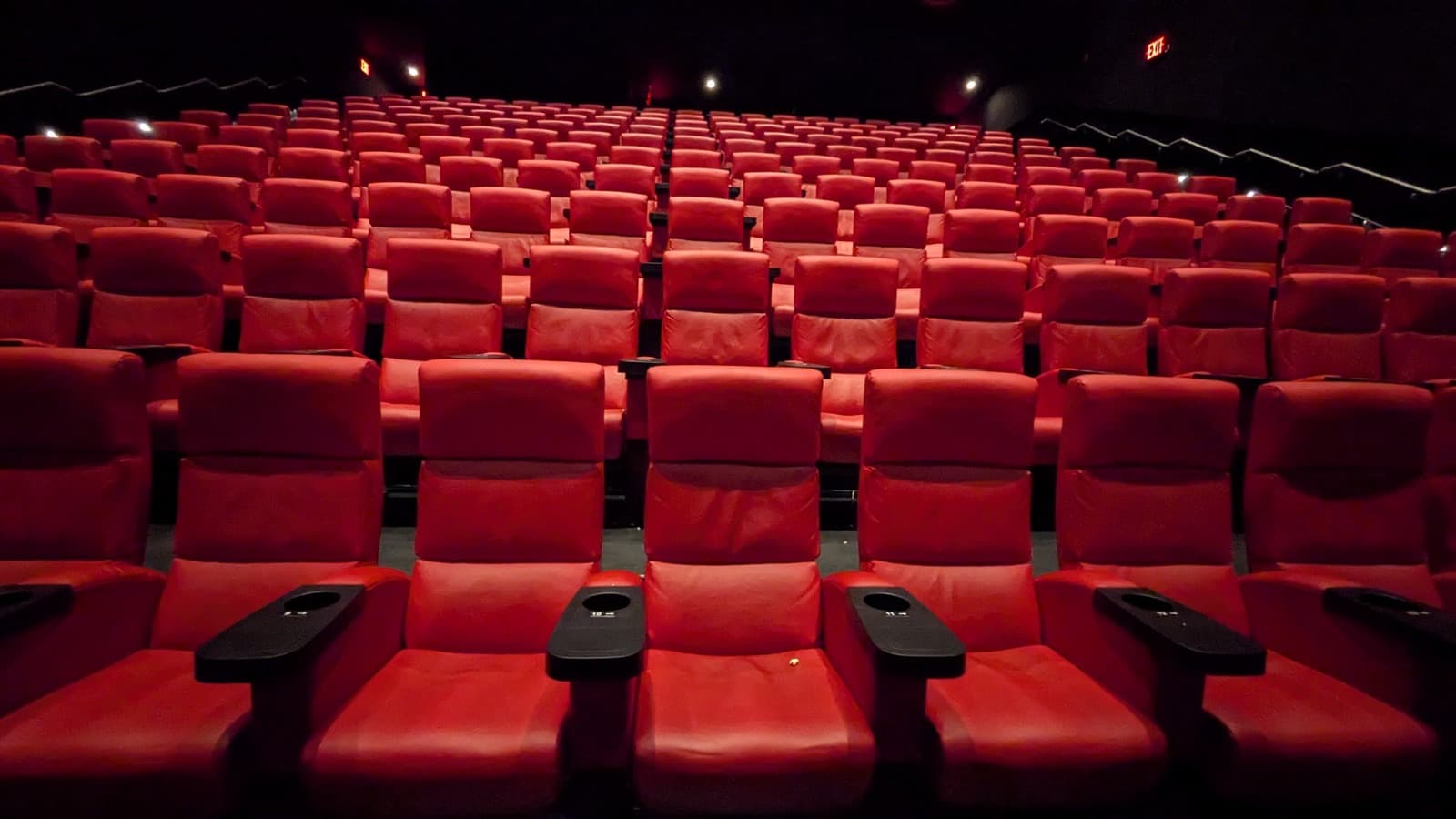
Worst Seats in a Movie Theater (and How to Avoid Them)
The seats that quietly ruin a movie, front row, far-side aisles, dead-back, and under-speaker seats, why they're bad, and the simple rule for avoiding them.
Front Row vs Middle Row vs Back Row: Which Is Best?
A clear breakdown of front, middle and back cinema rows, immersion, comfort and sound for each, and why the centre-middle almost always wins.

Why the Center Seat Gives the Best Movie Experience
The centre seat keeps the image geometry correct, sits in the audio sweet spot, and is essential for clean 3D. Here's the science behind the 'director's seat'.